Creating a comfortable and stylish workspace can make your daily routine more enjoyable and productive. Whether you work from home, study online, or run a freelance business, the right home office design helps you stay organized while expressing your personal style. From smart storage solutions and cozy lighting to ergonomic furniture and beautiful decor, small changes can transform any corner into a functional office.
In this article, you’ll discover 30 creative home office ideas that combine comfort, practicality, and modern style. These ideas work for small rooms, shared spaces, minimalist interiors, and larger home offices. Whether you prefer a warm, cozy atmosphere or a clean contemporary look, there’s something here to inspire your next workspace makeover.
1. Create A Minimalist Home Office
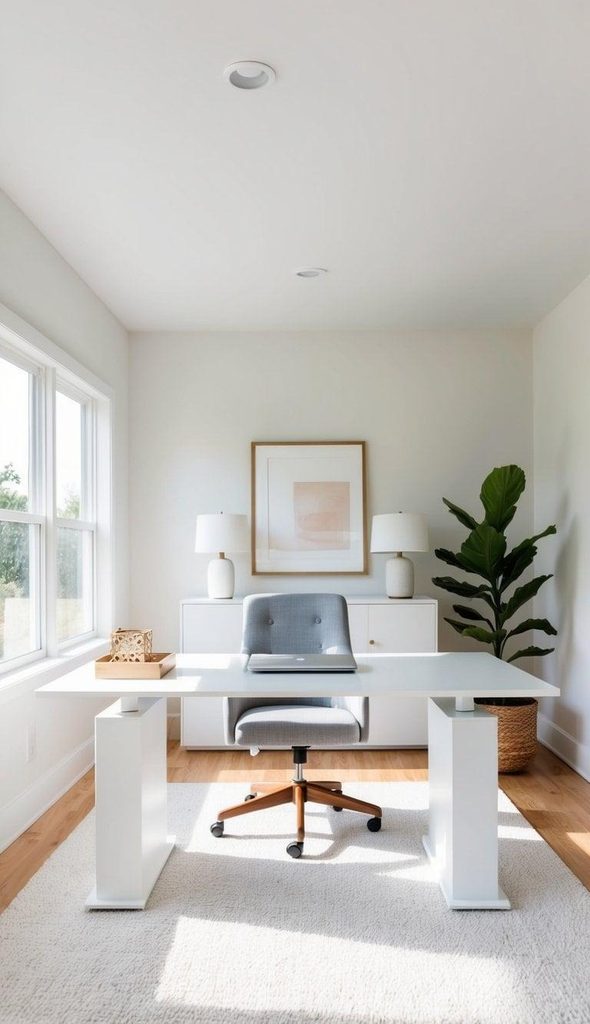
A minimalist home office focuses on simplicity, clean lines, and a clutter-free environment. Choose a simple desk, a comfortable chair, and a few useful accessories to keep the space organized. Neutral colors such as white, beige, gray, and soft wood tones create a peaceful atmosphere. Avoid filling your desk with unnecessary decorations, and use drawers or storage boxes to hide extra supplies. A minimalist workspace can feel more spacious and easier to maintain. Add one small plant or a framed print for personality without overwhelming the design.
2. Design A Cozy Home Office Nook
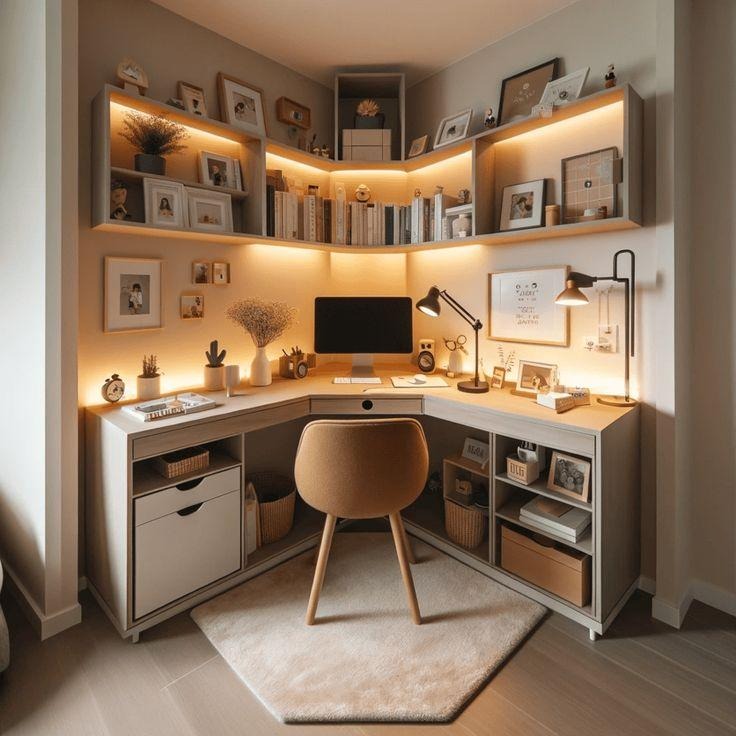
You don’t need an entire room to create a comfortable home office. A small, unused corner can become a practical workspace with the right arrangement. Place a compact desk against the wall and add a supportive chair that fits the available space. Use warm lighting, soft textures, and a small rug to create a welcoming atmosphere. Floating shelves can provide additional storage without taking up floor space. This home office nook idea is especially useful for apartments and small homes where every square foot matters.
3. Add A Wooden Desk For Natural Warmth
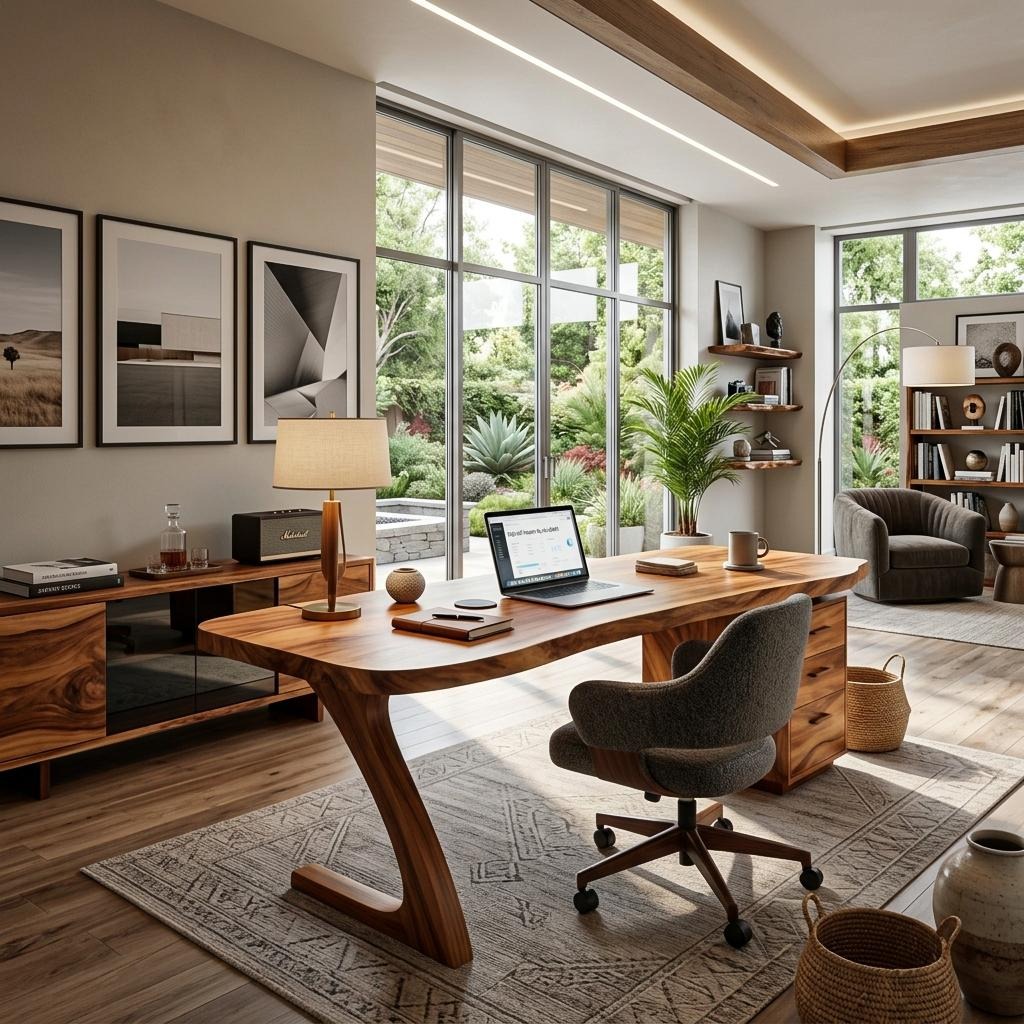
A wooden desk can instantly bring warmth and character to your home office. Choose a light oak finish for a Scandinavian look or a darker wood tone for a traditional and sophisticated feel. Pair the desk with a comfortable chair and simple desk accessories to create a balanced design. Wood works well with white walls, neutral fabrics, and greenery. If you want a workspace that feels inviting rather than overly formal, a wooden desk is a practical and attractive choice. Look for a size that gives you enough room for your computer, notebook, and everyday essentials.
4. Use A Comfortable Ergonomic Chair
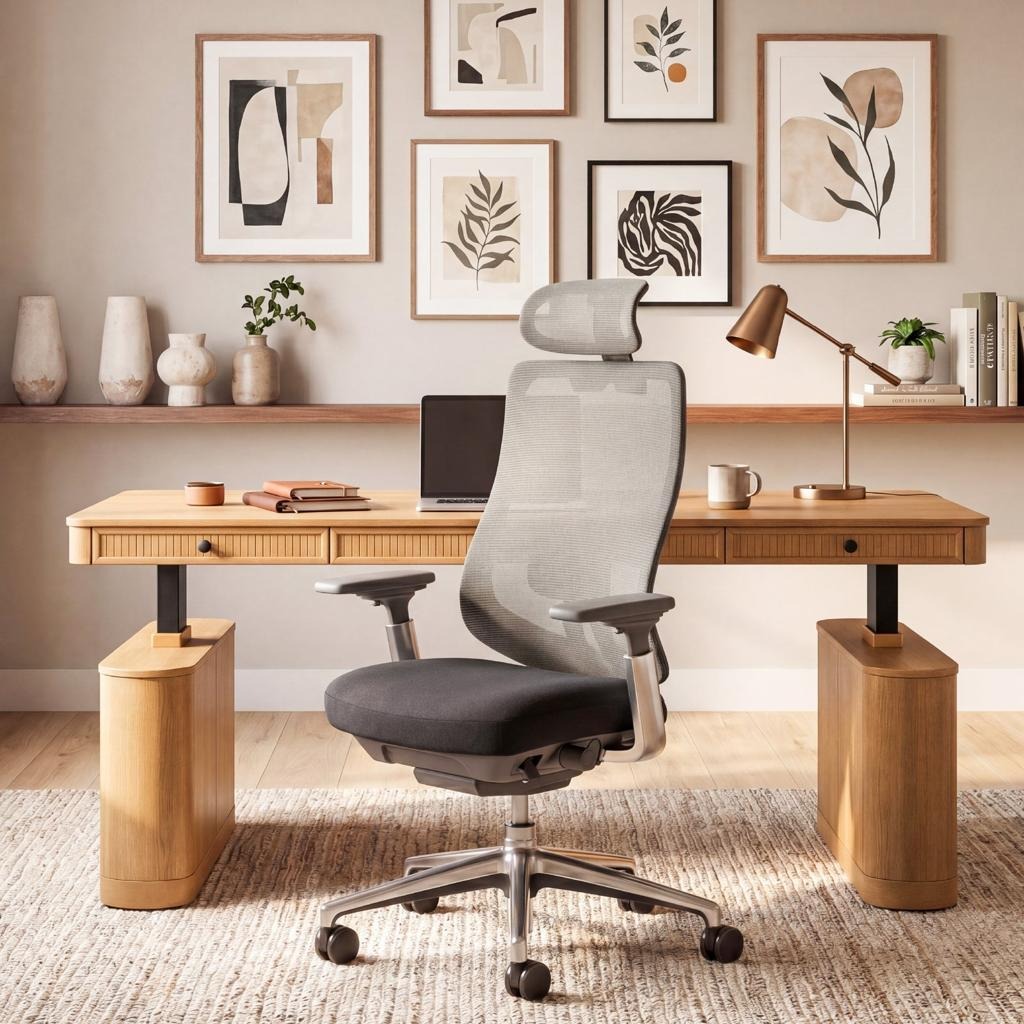
Comfort should be a priority when designing your home office. A stylish desk is useful, but an uncomfortable chair can make long working sessions difficult. Choose a chair that supports your lower back and allows you to adjust its height to suit your desk. Your feet should rest comfortably on the floor, and your shoulders should remain relaxed while typing. Ergonomic chairs are available in many designs, from modern mesh styles to upholstered options. Select a model that combines the support you need with a color and shape that complements your workspace.
5. Install Floating Shelves For Smart Storage
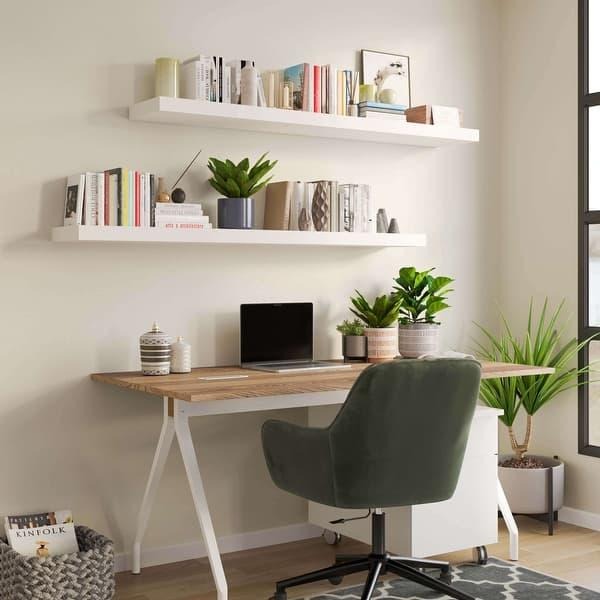
Floating shelves are an excellent way to use vertical wall space in a home office. Install one or two shelves above your desk to store books, notebooks, decorative objects, and small office supplies. Arrange items in a balanced way instead of filling every available space. Use matching storage boxes to keep smaller objects organized and reduce visual clutter. Wooden shelves add warmth, while white or black shelves create a more modern appearance. This idea is particularly helpful when your office has limited floor space and needs extra storage without a large cabinet.
6. Choose A Soft And Neutral Color Palette
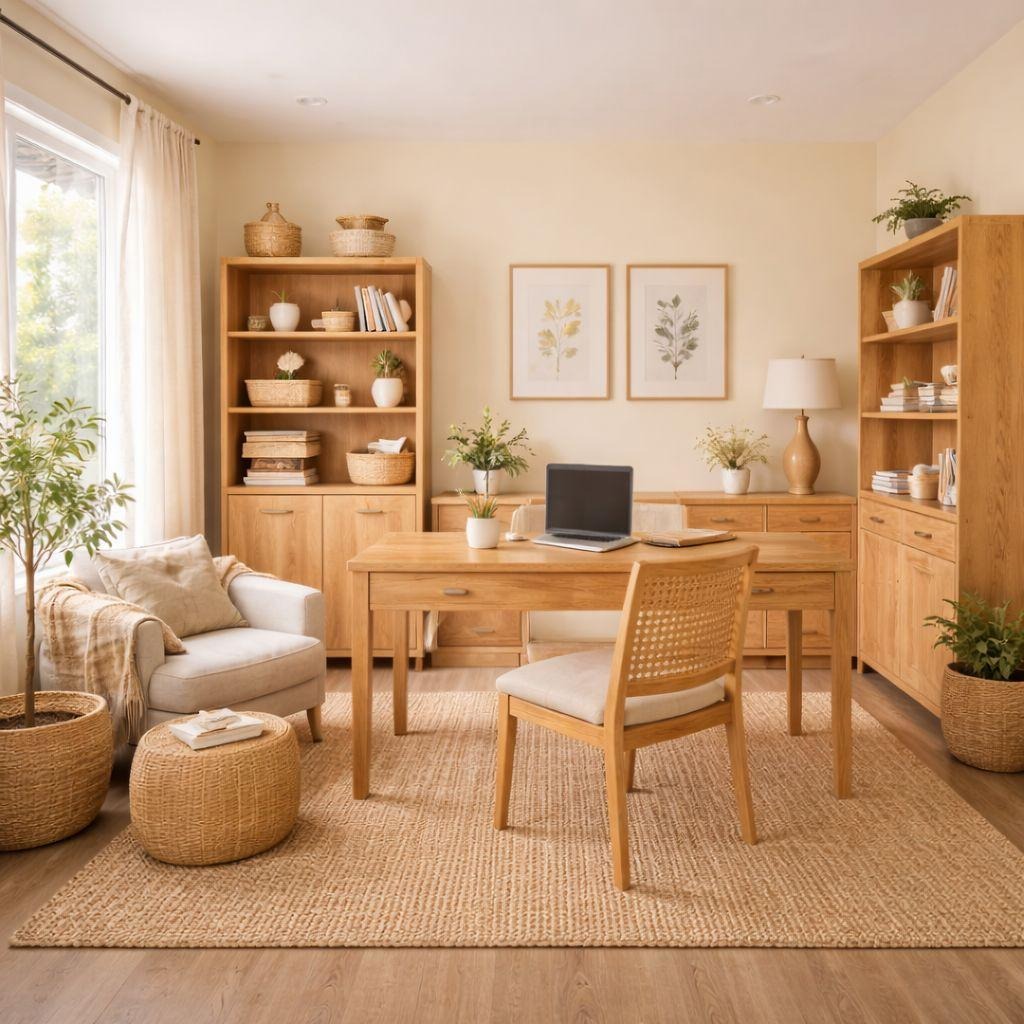
The colors in your home office can influence the overall atmosphere of the room. Soft neutrals, including cream, beige, warm white, and light gray, create a calm and versatile background. These shades work well with wood furniture, black accents, and natural fabrics. If you want more personality, introduce muted green, dusty blue, or terracotta through artwork and accessories. A neutral color palette also makes it easier to update your decor later. Choose colors that you enjoy spending time around and that work well with the natural light in your room.
7. Add Greenery With Desk Plants

Plants can make a home office feel fresher and more inviting. Place a small potted plant on your desk or add a larger plant beside the window. If your workspace receives limited natural light, choose suitable low-light plants or consider realistic artificial greenery. Plants with attractive leaves can add color without requiring a major design change. Use ceramic, concrete, or woven planters to match your office style. Keep the desk surface practical by choosing plant sizes that don’t interfere with your keyboard, monitor, or writing area.
8. Create A Stylish Gallery Wall
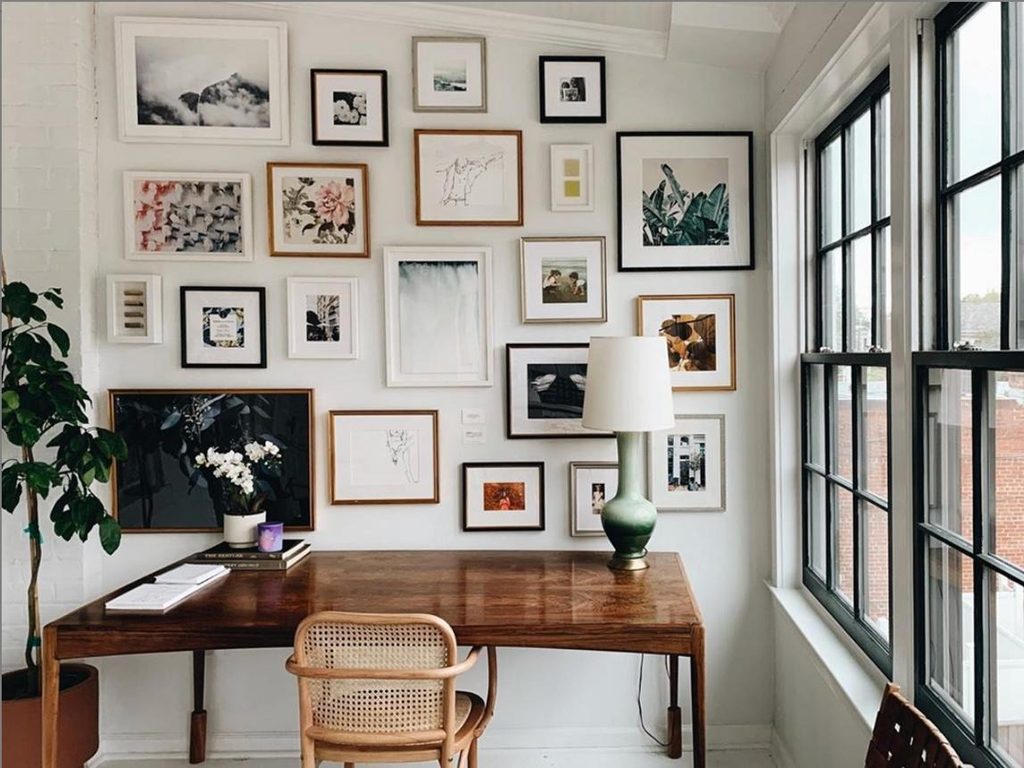
A gallery wall can turn a plain home office into a visually interesting space. Choose a collection of framed artwork, motivational quotes, photographs, or abstract prints that reflect your taste. You can arrange the frames in a symmetrical grid or create a more relaxed composition. Keep the color palette consistent so the wall looks intentional rather than chaotic. Leave enough space around the artwork to prevent the desk area from feeling crowded. A well-designed gallery wall adds personality and can serve as a beautiful focal point behind your workspace.
9. Use A Large Desk For Better Productivity
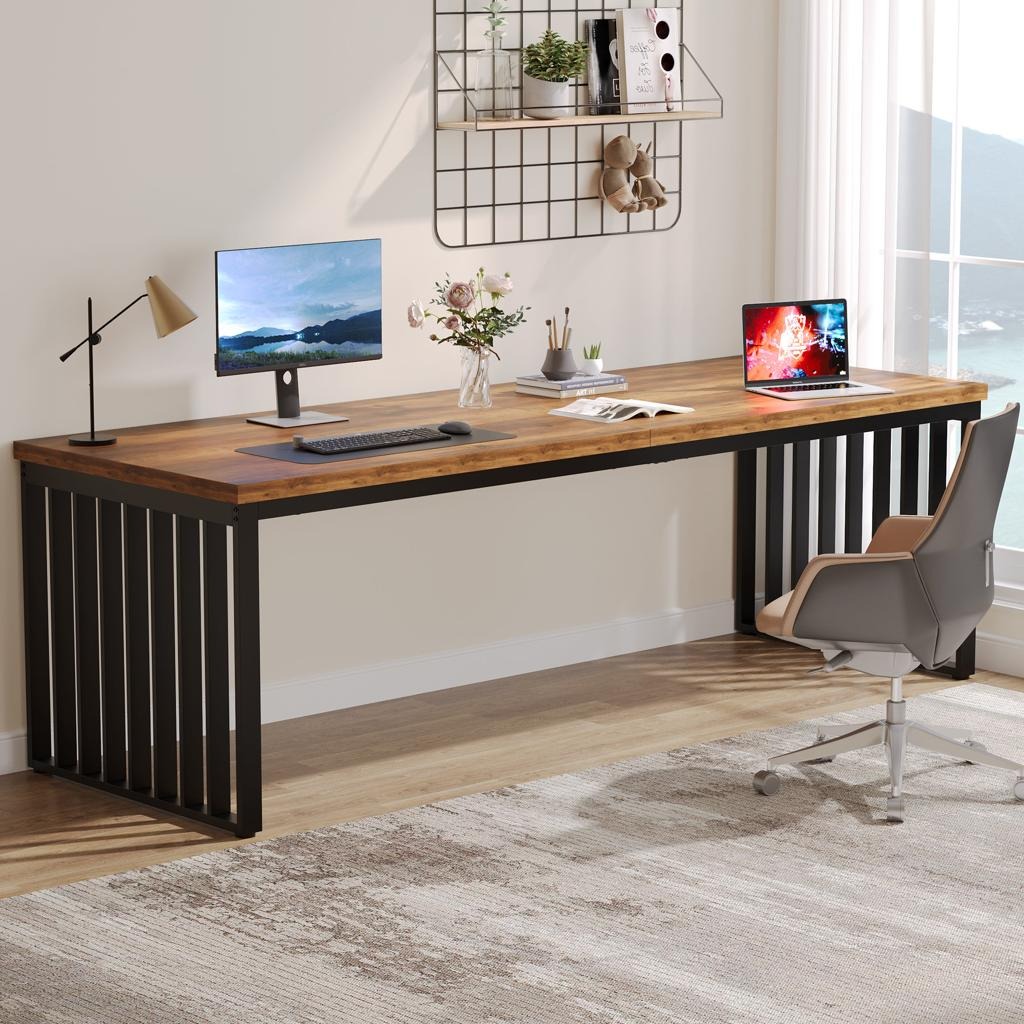
A large desk gives you more room to work, write, organize documents, and arrange essential equipment. If you frequently use multiple screens or handle paperwork, a spacious work surface can improve convenience. Choose a desk with enough depth for comfortable monitor placement and sufficient space for your keyboard. Keep frequently used items within easy reach while storing less-used supplies elsewhere. A large desk doesn’t have to look bulky. Select a design with clean lines, slim legs, or built-in drawers to maintain a stylish appearance without sacrificing functionality.
10. Design A Scandinavian-Inspired Workspace
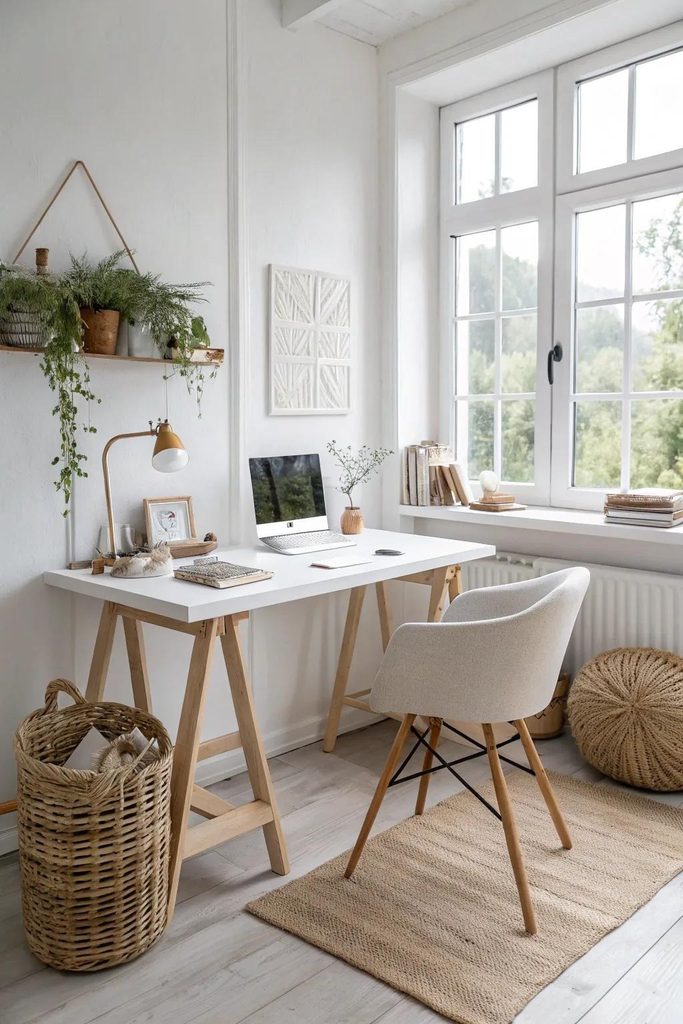
Scandinavian home office design combines simplicity, functionality, and natural warmth. Light wood furniture, soft neutral colors, and uncluttered surfaces are common elements of this style. Choose a streamlined desk, a comfortable fabric chair, and a simple desk lamp to create a relaxed workspace. Add a woven basket, a small plant, or a neutral rug for texture. Natural light is especially valuable in this design because it highlights the light colors and materials. Scandinavian-inspired decor is a good option for anyone who wants a home office that feels modern, peaceful, and practical.
11. Add Warm Lighting For A Cozy Atmosphere

Lighting plays an important role in making your home office comfortable throughout the day. Combine natural light with task lighting and softer ambient illumination. A desk lamp can provide focused light for reading and writing, while a floor lamp or wall light can brighten darker areas. Choose a lamp with adjustable brightness when possible. Avoid placing bright lights directly behind your screen, as reflections can make viewing more difficult. Warm-toned lighting can create a cozy evening atmosphere, while balanced task lighting supports practical work activities.
12. Build A Home Office With A Standing Desk
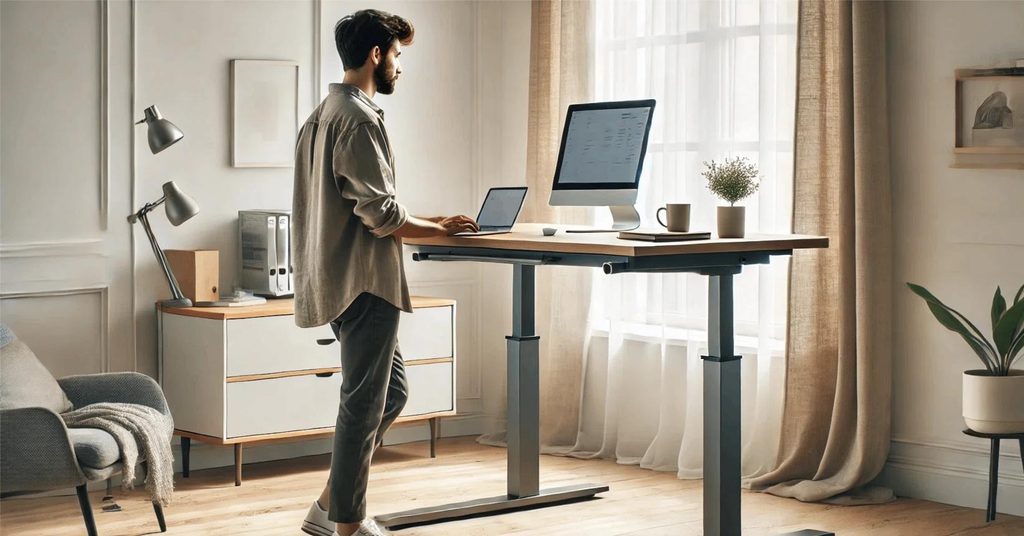
A height-adjustable standing desk offers flexibility for people who want to alternate between sitting and standing during the workday. Choose a model that allows the keyboard and monitor to be positioned comfortably at different heights. Keep cables organized so the desk remains tidy when adjusted. A supportive anti-fatigue mat may improve comfort during standing sessions. You don’t need a large office to use a standing desk, as compact options are available for smaller rooms. Focus on adjustability, stability, and comfortable positioning rather than choosing a desk based only on appearance.
13. Use A Wall-Mounted Desk In Small Rooms
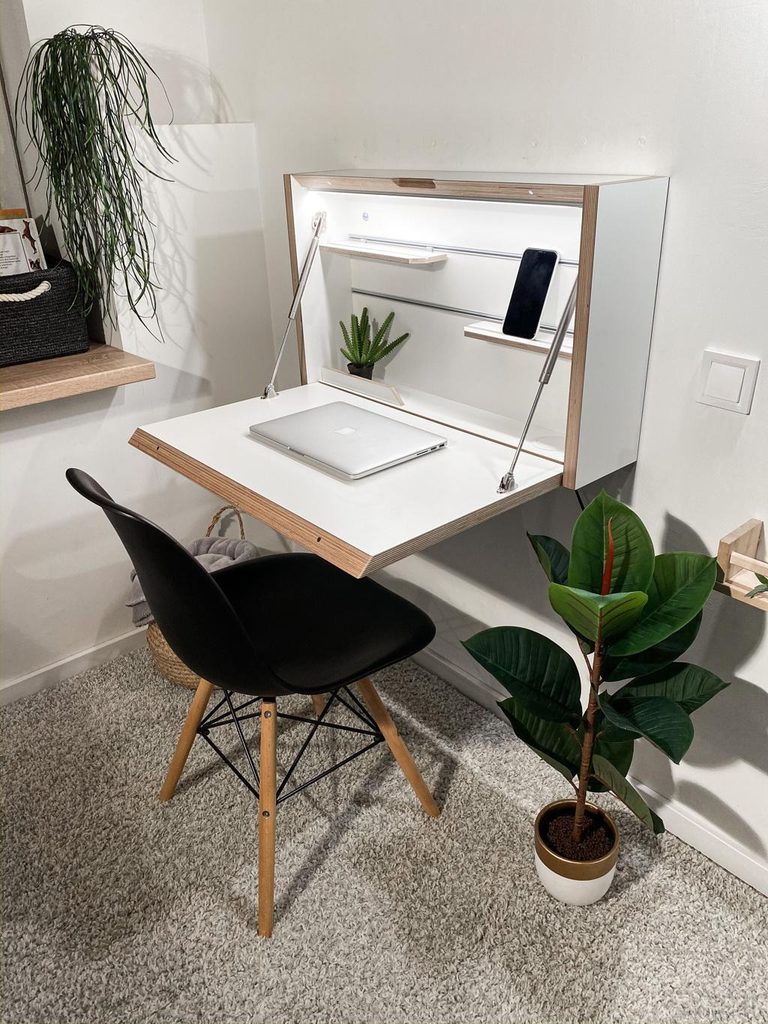
A wall-mounted desk is a practical solution for homes with limited floor space. It can be installed in a bedroom corner, hallway nook, or multipurpose room. Some designs fold away when the workspace is not in use, helping the room serve other purposes. Add a compact chair, wall-mounted organizers, and a small task lamp to complete the setup. Before installation, check that the wall and mounting system can safely support the desk. Choose a design that provides enough surface space for your everyday activities without making the room feel crowded.
14. Organize Your Desk With Drawer Storage
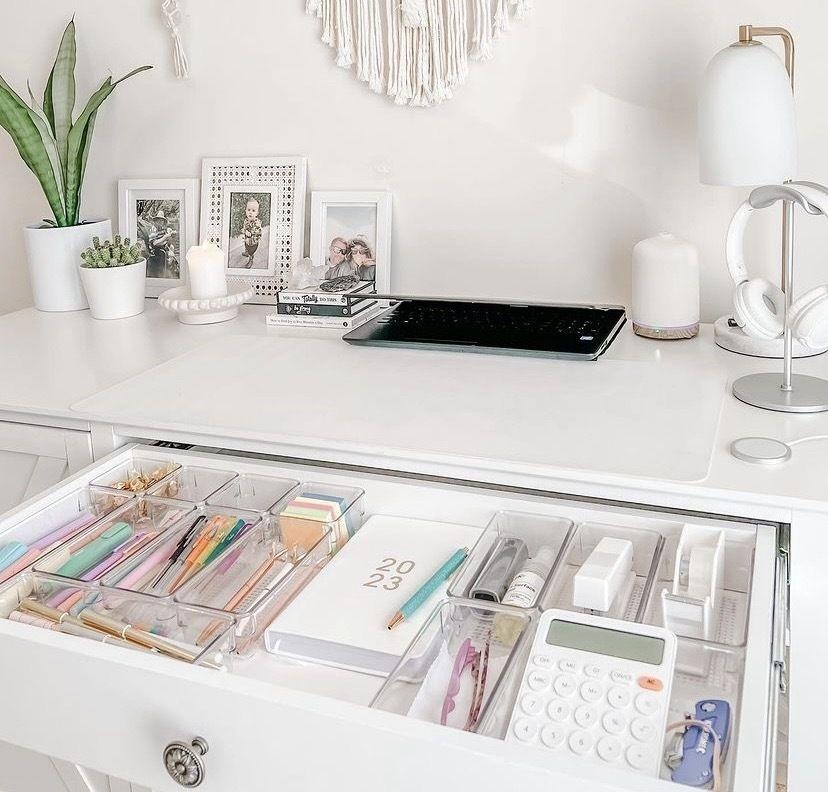
An organized desk makes it easier to find the things you need while working or studying. Use drawer organizers to separate pens, charging cables, notebooks, and other small supplies. Keep frequently used items in the top drawer so they remain accessible without covering the desktop. Choose storage furniture that matches your desk finish for a cohesive appearance. If your desk has limited drawers, a small rolling storage unit can provide additional flexibility. The goal is to create a system that makes everyday organization easy to maintain, not simply to hide clutter temporarily.
15. Create A Modern Black And White Office
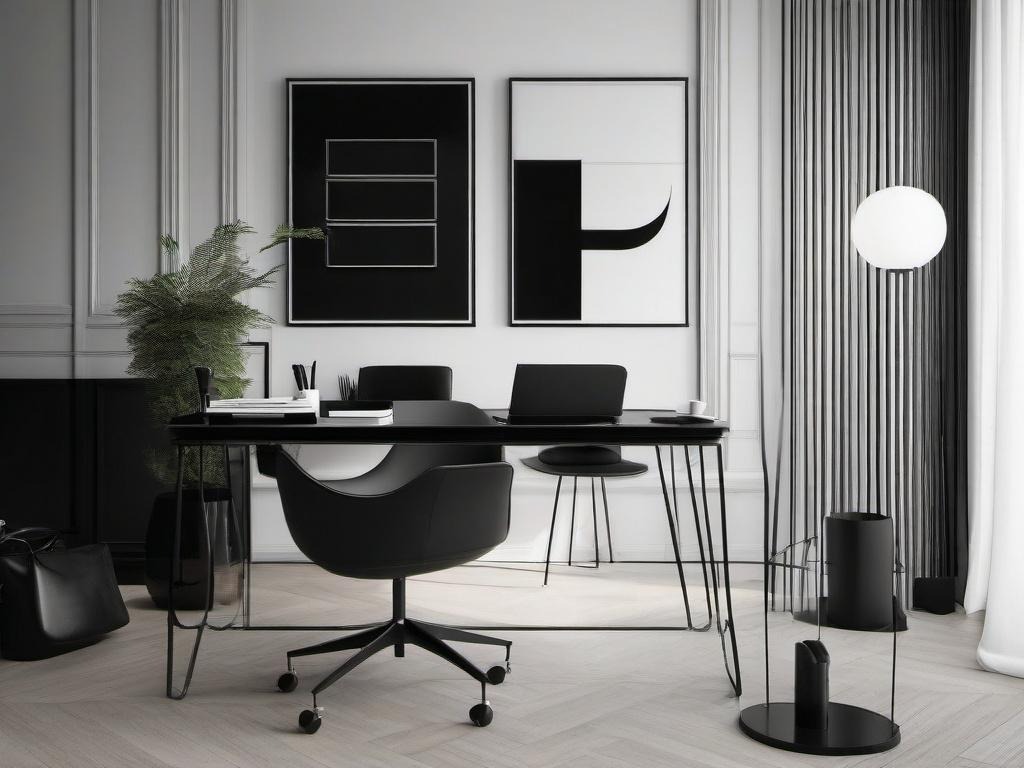
A black and white home office offers a timeless and sophisticated appearance. Use white walls or furniture as the base and introduce black through the desk frame, lighting fixtures, picture frames, or accessories. Add wood tones or greenery to soften the contrast if the space feels too stark. Keep the arrangement simple so the two main colors remain visually balanced. This style works well in modern apartments and dedicated office rooms. Select comfortable furniture and functional accessories to ensure the monochrome color scheme doesn’t take priority over your everyday needs.
16. Add A Cozy Area Rug

An area rug can make a home office feel warmer and more complete. It adds softness underfoot while helping define the workspace within a larger room. Choose a low-pile rug that allows your office chair to move comfortably, especially if it has casters. Neutral patterns work well in minimalist offices, while subtle geometric designs can introduce visual interest. Ensure the rug fits the furniture arrangement and doesn’t create a tripping hazard. A carefully selected rug can connect the desk, chair, and surrounding decor into one cohesive home office design.
17. Set Up A Dual-Monitor Workstation
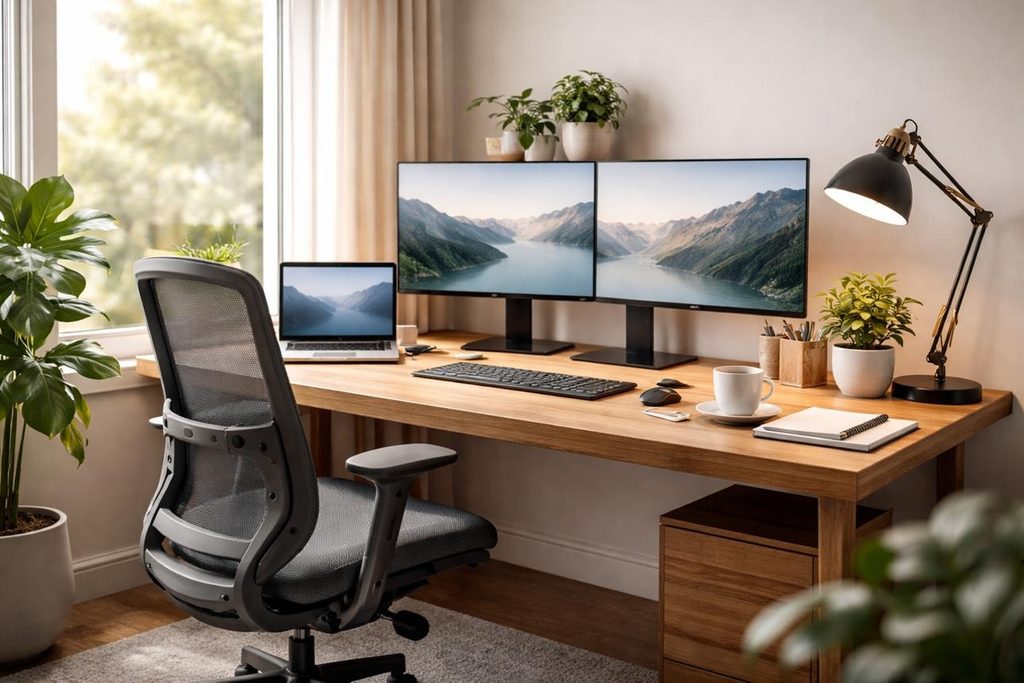
A dual-monitor workstation can be useful for tasks that require switching between applications, documents, and research. Position your monitors at a comfortable height and distance, and keep the screen arrangement suitable for your main activities. Use a monitor stand or compatible arm to free up desk space. Organize cables behind the desk to maintain a clean appearance. A spacious desk and comfortable chair will help support the setup. Before purchasing additional equipment, consider whether two screens genuinely improve your workflow and whether your desk can accommodate them safely.
18. Design A Home Office With Natural Light
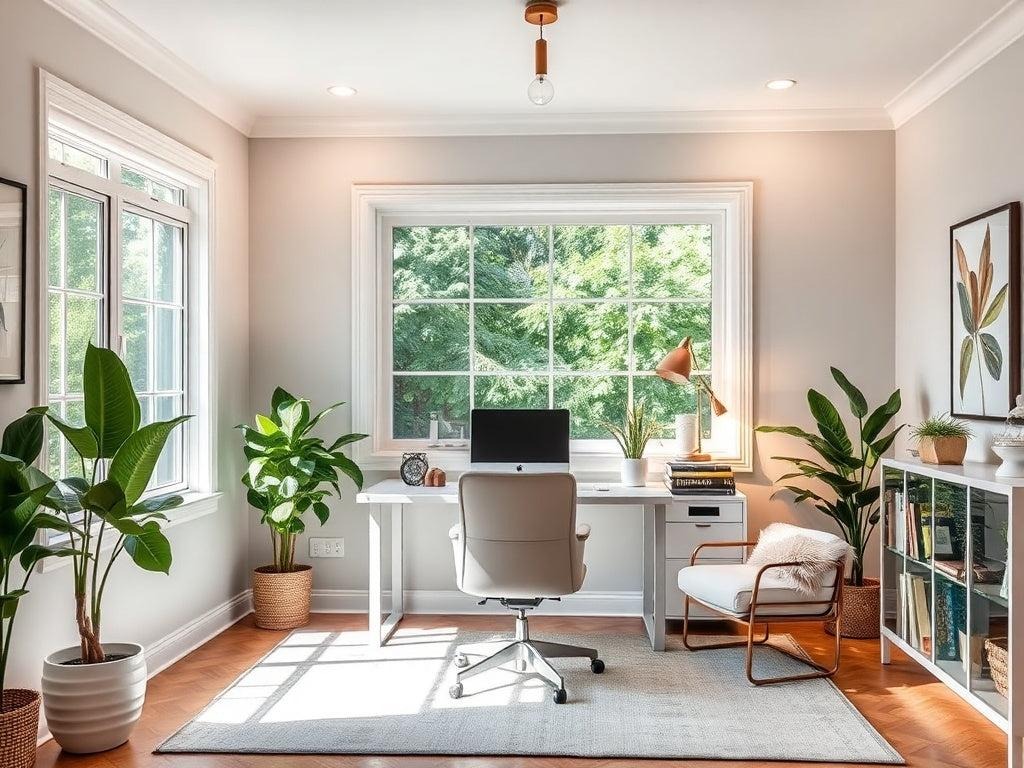
Natural light can make your workspace feel bright and pleasant during the day. If possible, position your desk near a window while avoiding glare on your computer screen. Use sheer curtains or adjustable blinds to control direct sunlight. Place your monitor so that the window isn’t directly behind or in front of it if that causes distracting reflections. Add light-colored furniture and reflective surfaces to help distribute daylight. A naturally lit office can feel more open and welcoming, although you should still include suitable artificial lighting for cloudy days and evening work.
19. Use A Pegboard For Flexible Organization
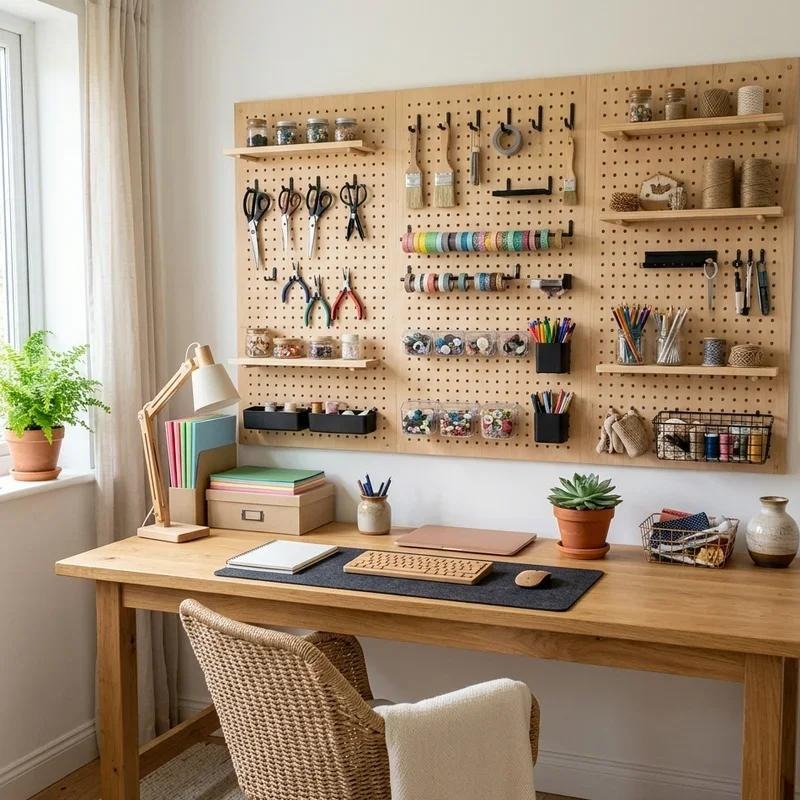
A pegboard is a flexible wall organization solution that combines storage with visual appeal. Install one above your desk to hold small shelves, hooks, baskets, and office supplies. You can rearrange the accessories whenever your needs change. Use it to store scissors, headphones, stationery, and other frequently used items. Select a pegboard in wood, white, or black to match your interior style. Avoid overloading the board with too many objects. A thoughtfully arranged pegboard can keep essentials accessible while leaving your desktop clear.
20. Create A Warm Wood And White Workspace
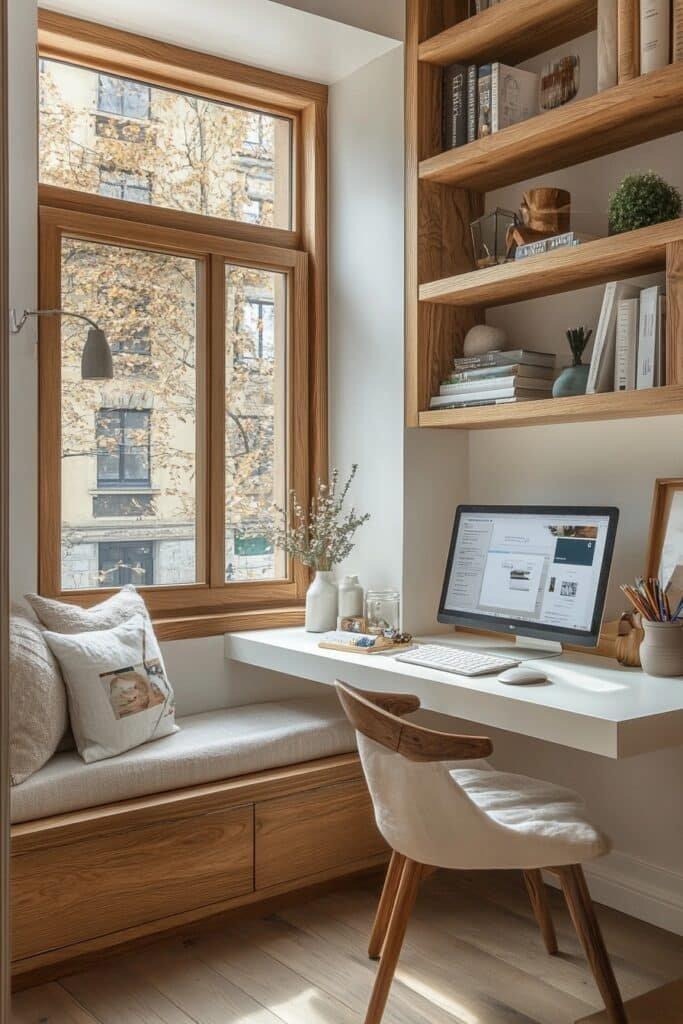
The combination of warm wood and white creates a balanced home office aesthetic. White walls and furniture can make the room feel bright, while wood accents introduce texture and warmth. Choose a wooden desktop, shelving, or storage cabinet to add natural character. Soft textiles and simple artwork can complete the design without creating excessive visual clutter. This color combination works in both modern and traditional interiors. If your office has limited natural light, use lighter wood tones and layered lighting to help maintain an inviting atmosphere.
21. Add A Comfortable Reading Corner
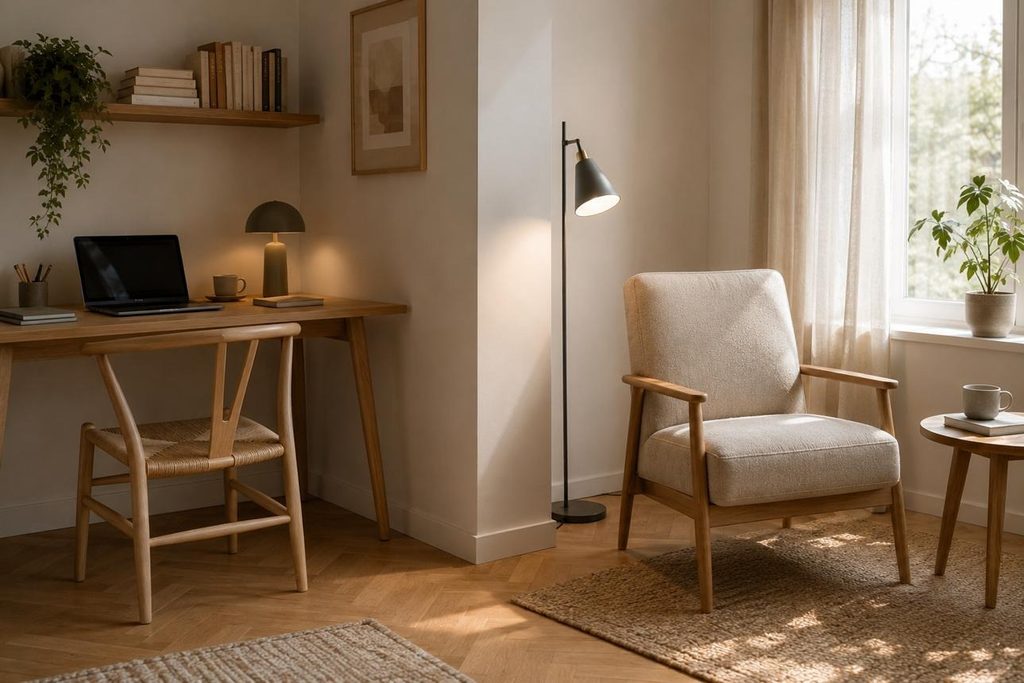
If you have extra space, consider creating a small reading corner in your home office. Place a comfortable lounge chair near a bookshelf or window and add a floor lamp for focused reading light. This area can provide a separate place to read, brainstorm, or take a short break from your desk. Choose furniture that complements the main workspace so the room feels connected. In smaller offices, a compact chair or multipurpose seating option may be enough. Keep the corner simple and ensure it doesn’t interfere with movement around the desk.
22. Use A Compact Desk For Apartment Offices
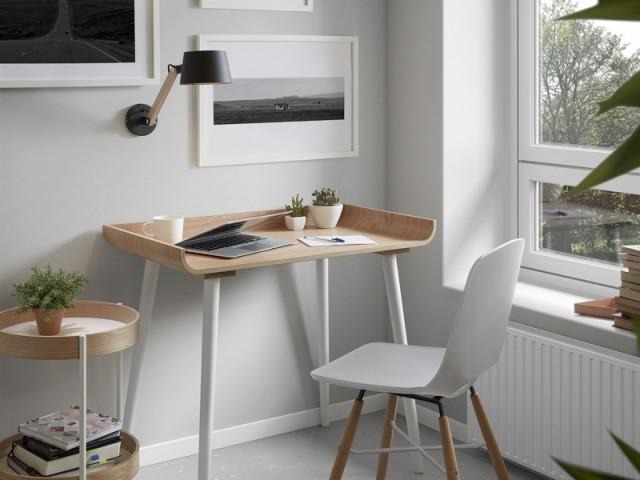
A compact desk can help you create a functional office in a small apartment or shared room. Measure the available area before choosing a desk so you can maintain comfortable movement around it. Look for slim designs with built-in storage, open shelving, or foldable features. A laptop stand, wireless keyboard, and wall-mounted organizer can help maximize the available surface. Use a chair that fits beneath the desk when not in use. With careful planning, a small workspace can remain both stylish and practical without taking over the entire room.
23. Add Personal Decor And Inspirational Art
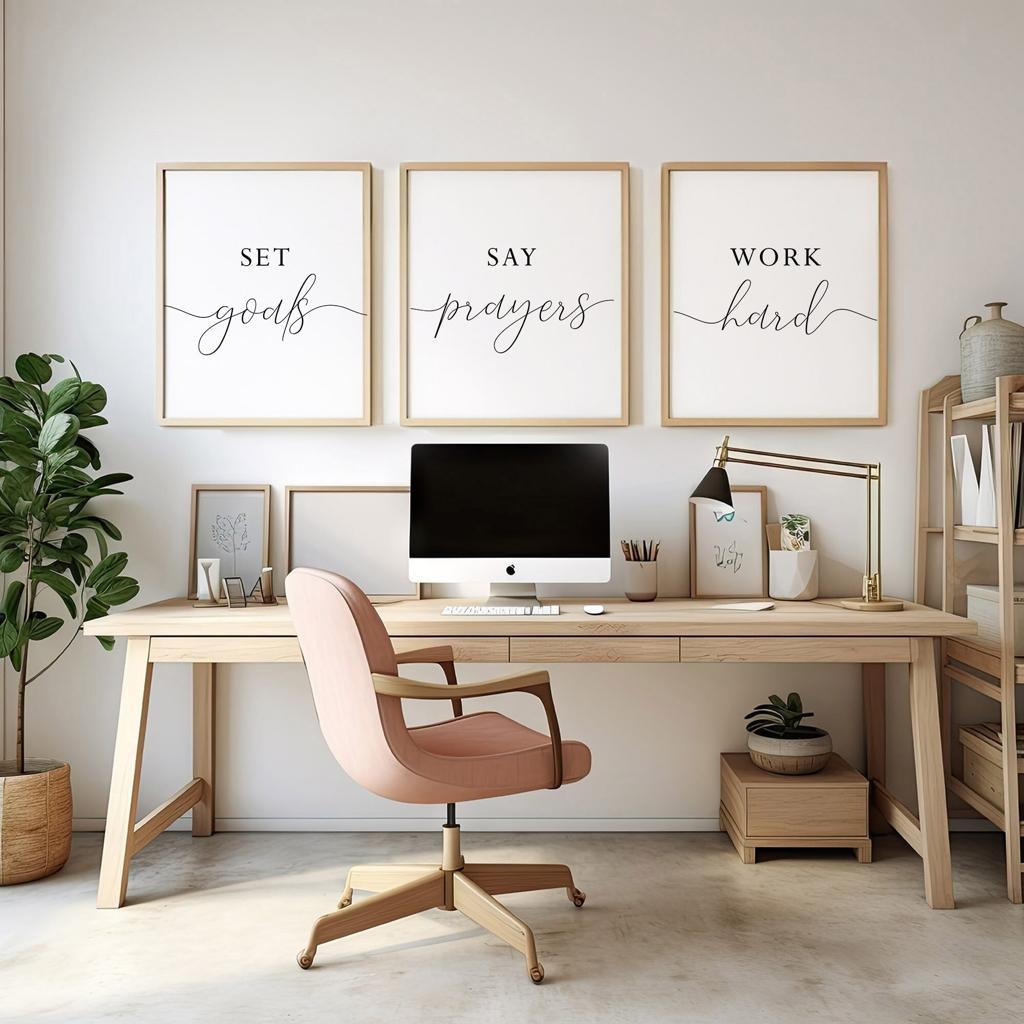
Your home office should reflect your personality and the activities you enjoy. Add a few meaningful objects, framed prints, photographs, or decorative pieces to make the space feel personal. Choose items that inspire you without distracting you from work. A favorite quote, creative artwork, or travel photograph can give the room character. Avoid adding too many accessories to your desk, especially if you need plenty of working space. The best home office decor balances personal expression with practical organization, creating an environment that feels comfortable and genuinely yours.
24. Create A Cozy Boho Home Office
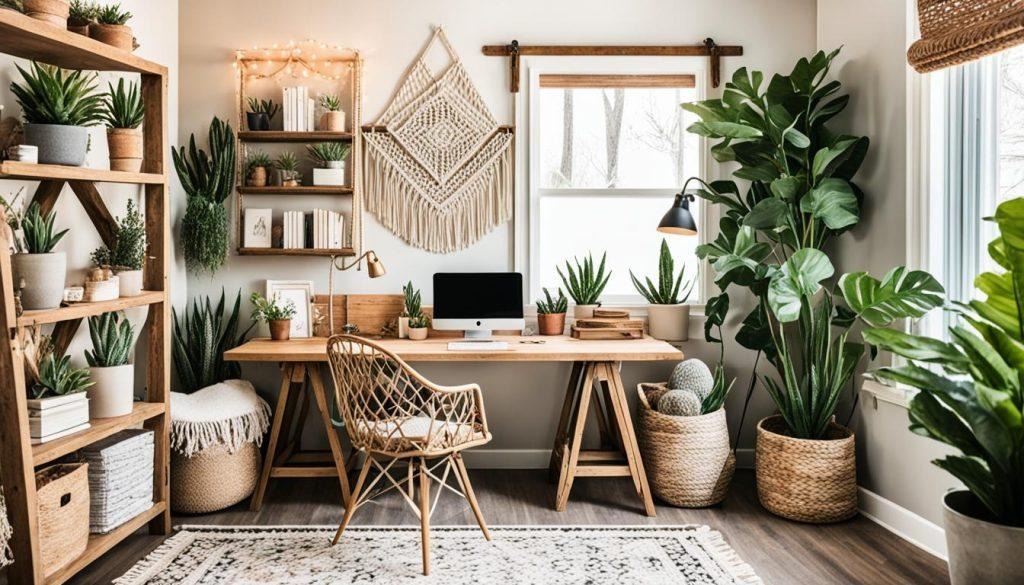
Boho home office design combines natural materials, relaxed textures, and artistic details. Choose a wooden desk, woven baskets, a textured rug, and a comfortable chair to establish a warm foundation. Add greenery, macramé wall decor, or patterned textiles for visual interest. Neutral colors can help balance the variety of textures and accessories. Keep your work surface organized so the relaxed bohemian style doesn’t become impractical. This design is ideal for anyone who wants a workspace that feels creative, comfortable, and less formal than a traditional office.
25. Install A Stylish Desk Lamp
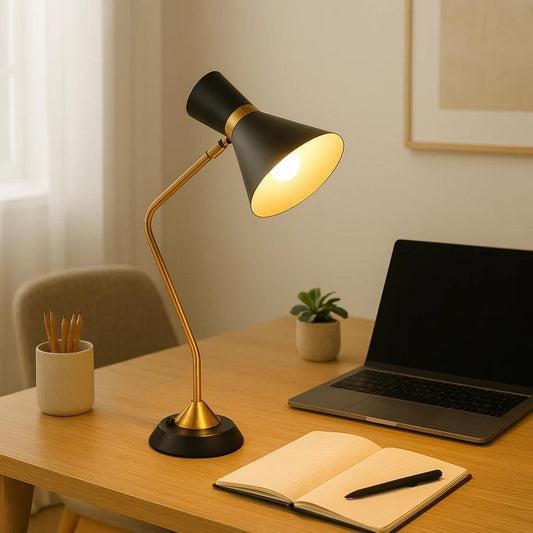
A desk lamp is both a functional tool and a decorative feature. Choose a lamp with adjustable positioning so you can direct light toward notebooks, documents, or other tasks. Minimalist metal lamps suit contemporary offices, while wooden or fabric designs can create a warmer atmosphere. Consider a dimmable model for flexibility throughout the day. Place the lamp where it provides useful illumination without creating distracting reflections on your monitor. Select a finish that coordinates with your desk accessories to create a polished and cohesive workspace.
26. Design A Hidden Home Office
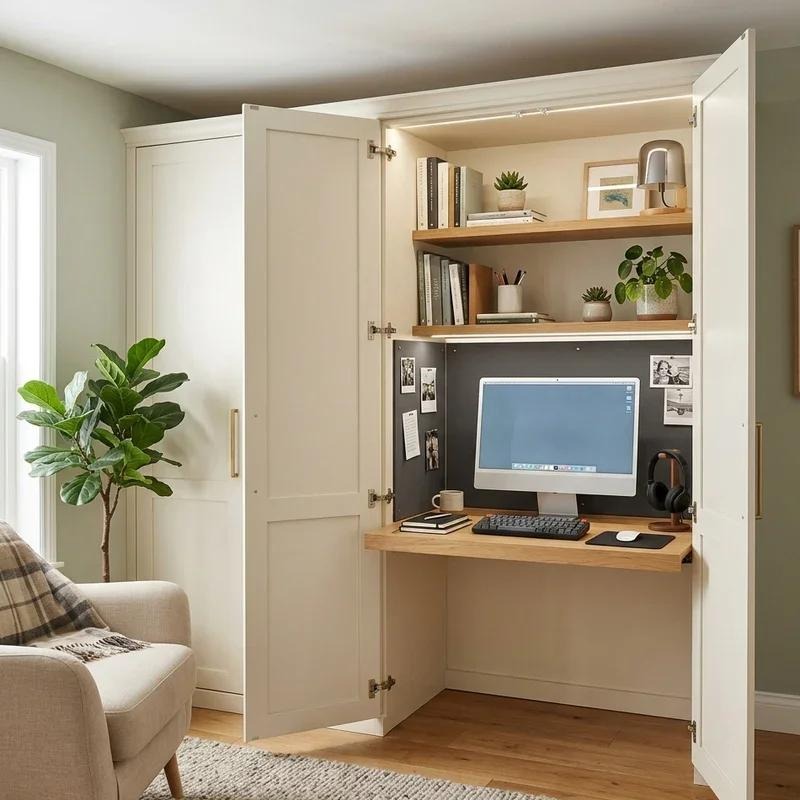
A hidden home office is a smart option for multipurpose rooms and compact homes. A cabinet-style workspace can conceal office supplies and equipment when you’re finished working. Choose a design with sufficient ventilation and safe cable routing if you plan to store electronic devices inside. Folding desks and built-in cabinets can help the room transition between work and relaxation. Keep the internal storage organized so setting up and packing away your office remains convenient. This approach helps maintain a clean visual environment when your workspace is not in use.
27. Use A Soft Green Color Scheme
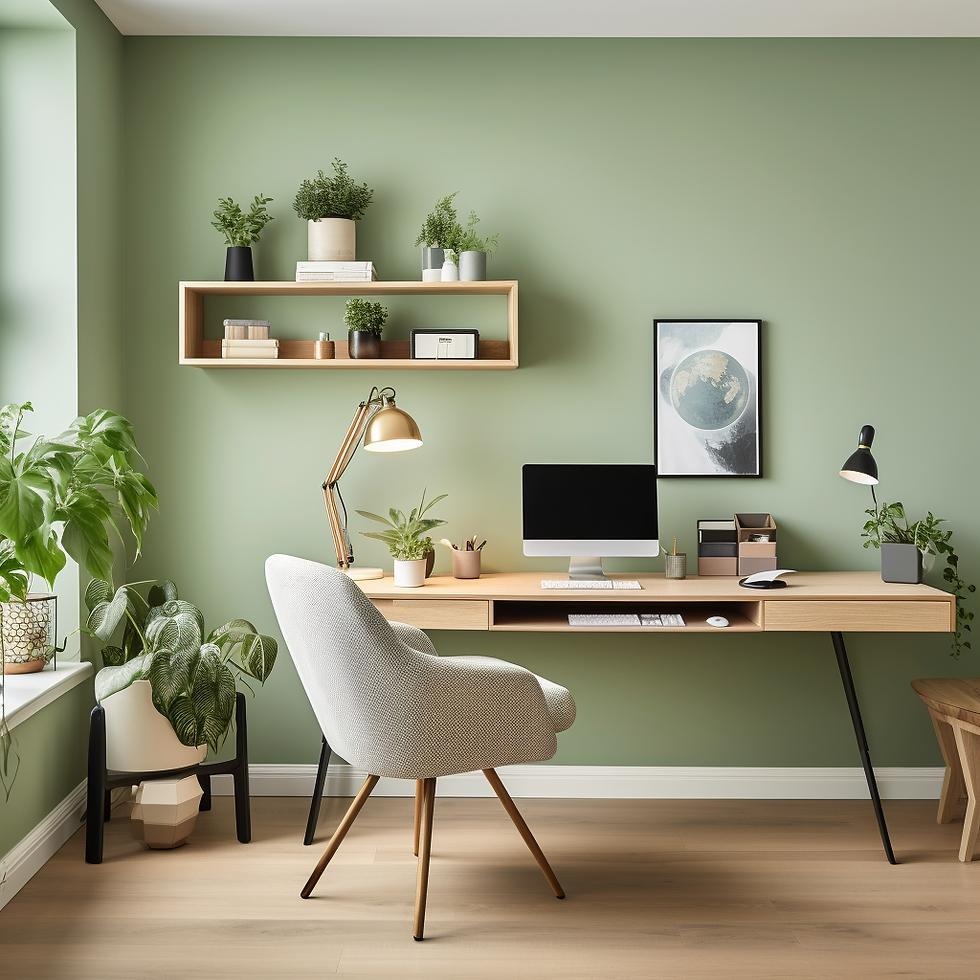
Soft green is a beautiful color choice for a calming and stylish home office. Shades such as sage, muted olive, and pale green can add personality without overwhelming the room. Pair green walls with light wood furniture, cream textiles, and black or brass accents. If you don’t want to repaint, introduce the color through curtains, artwork, desk accessories, or an accent chair. Use the shade consistently across a few elements for a coordinated look. A green-inspired office can feel connected to nature while maintaining a modern and organized appearance.
28. Create A Shared Home Office For Two
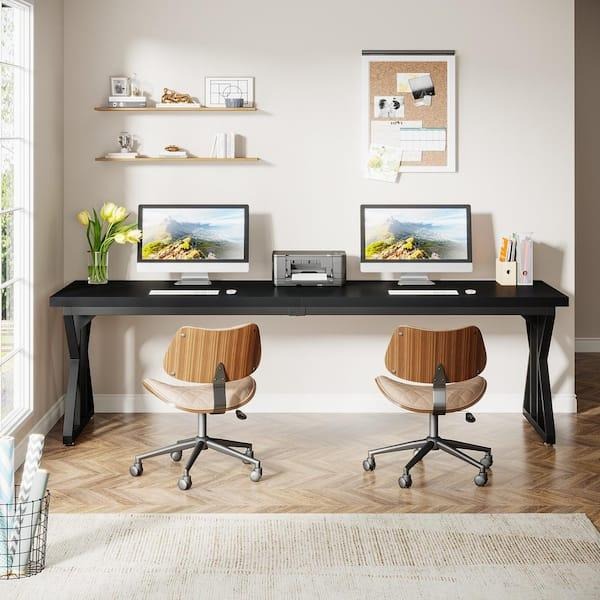
A shared home office needs careful planning to provide enough space for both users. A long desk with two workstations can create a practical arrangement while maintaining a consistent design. Give each person dedicated storage and sufficient room for their equipment. Use cable management solutions to prevent wires from crossing between work areas. If both users attend meetings or need quiet concentration, consider how the desk placement affects noise and privacy. Matching chairs and coordinated accessories can help the room feel unified while allowing each person to personalize their own workspace.
29. Add Stylish Cable Management

Cable management is an important part of creating a neat and functional workspace. Use cable clips, sleeves, trays, and ties to organize wires beneath and behind your desk. Keep charging cables grouped by purpose and label them if you frequently use several devices. A monitor stand or docking station can help reduce clutter on the desktop. Ensure cables are arranged safely and don’t create tripping hazards. Good cable organization improves the appearance of your office while making it easier to clean, rearrange equipment, and locate the right connection when needed.
30. Create A Personalized Productive Workspace
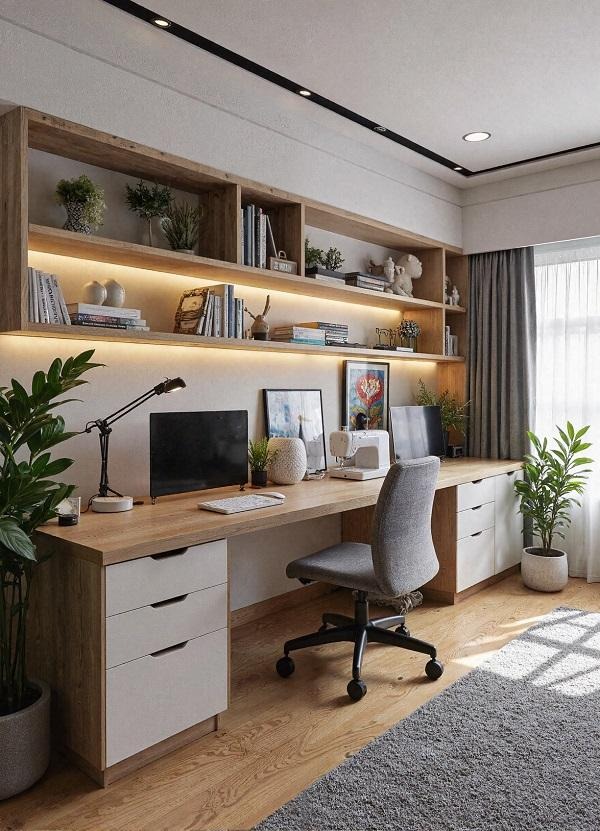
The best home office combines your personal preferences with the practical requirements of your daily routine. Choose furniture that supports comfortable working, storage that reduces clutter, and decor that makes the space enjoyable. Consider your lighting, noise levels, desk arrangement, and equipment before finalizing the design. You don’t need to buy everything at once. Start with the essentials, then gradually add accessories that improve the workspace. A personalized office should look beautiful while helping you work, study, and manage everyday tasks with greater ease.
How To Make Your Home Office More Comfortable
Comfort depends on more than attractive furniture and stylish accessories. Start by choosing a chair that supports your posture and a desk that provides enough room for your equipment. Position your monitor at a comfortable height and distance, and keep your keyboard and mouse within easy reach. Use appropriate lighting to reduce glare and make reading easier. Take regular breaks to change position and move around during extended work sessions. A comfortable workspace should support your daily activities without creating unnecessary physical strain.
How To Make A Small Home Office Look Stylish
Small home offices can look beautiful when you focus on scale, organization, and visual balance. Choose furniture that fits the room instead of overwhelming it. Use vertical storage, wall-mounted shelves, and multipurpose accessories to make the most of limited space. Light colors and carefully positioned mirrors may help the room feel more open, depending on the layout and lighting. Keep the desk relatively clear and choose a few decorative items that add personality. A small office doesn’t need excessive furniture to feel complete and functional.
Tips For Choosing Home Office Decor
When selecting home office decor, consider both appearance and everyday usefulness. Start with a color palette that works with your existing room and furniture. Add practical accessories such as desk organizers, task lighting, and storage baskets before purchasing purely decorative items. Introduce texture through rugs, curtains, artwork, and natural materials. Avoid overcrowding the desk or shelves because excessive accessories can make the space harder to maintain. Choose pieces that reflect your style and create a workspace you enjoy using consistently.
Final Thoughts On Creative Home Office Ideas
Designing a comfortable and stylish home office doesn’t require a large budget or a dedicated room. With thoughtful furniture choices, smart storage, suitable lighting, and personal decor, you can transform almost any space into an inviting work environment. From minimalist desk setups and cozy office nooks to warm wooden furniture and flexible storage solutions, these 30 home office ideas offer plenty of inspiration for different needs and styles.
Focus on creating a workspace that supports your routine and feels comfortable over time. Start with the changes that matter most, such as desk placement, seating, and lighting, then add decorative details that make the room your own. A well-designed home office is not just about how it looks—it’s about how effectively and comfortably it supports your everyday life.