A clean and organized home feels more comfortable, peaceful, and welcoming. However, keeping every room tidy can be challenging when you have limited space, busy schedules, and too many everyday items. The good news is that you don’t need expensive furniture or a complete home makeover to create an organized space. Simple home organization ideas can help you reduce clutter, use your available space wisely, and make daily tasks easier.
In this guide, you’ll discover 25 easy home organization ideas for every room, including the living room, bedroom, kitchen, bathroom, and entryway. These practical tips focus on smart storage, simple routines, and creative solutions that help your home stay neat without adding unnecessary work.
1. Start By Decluttering One Room At A Time
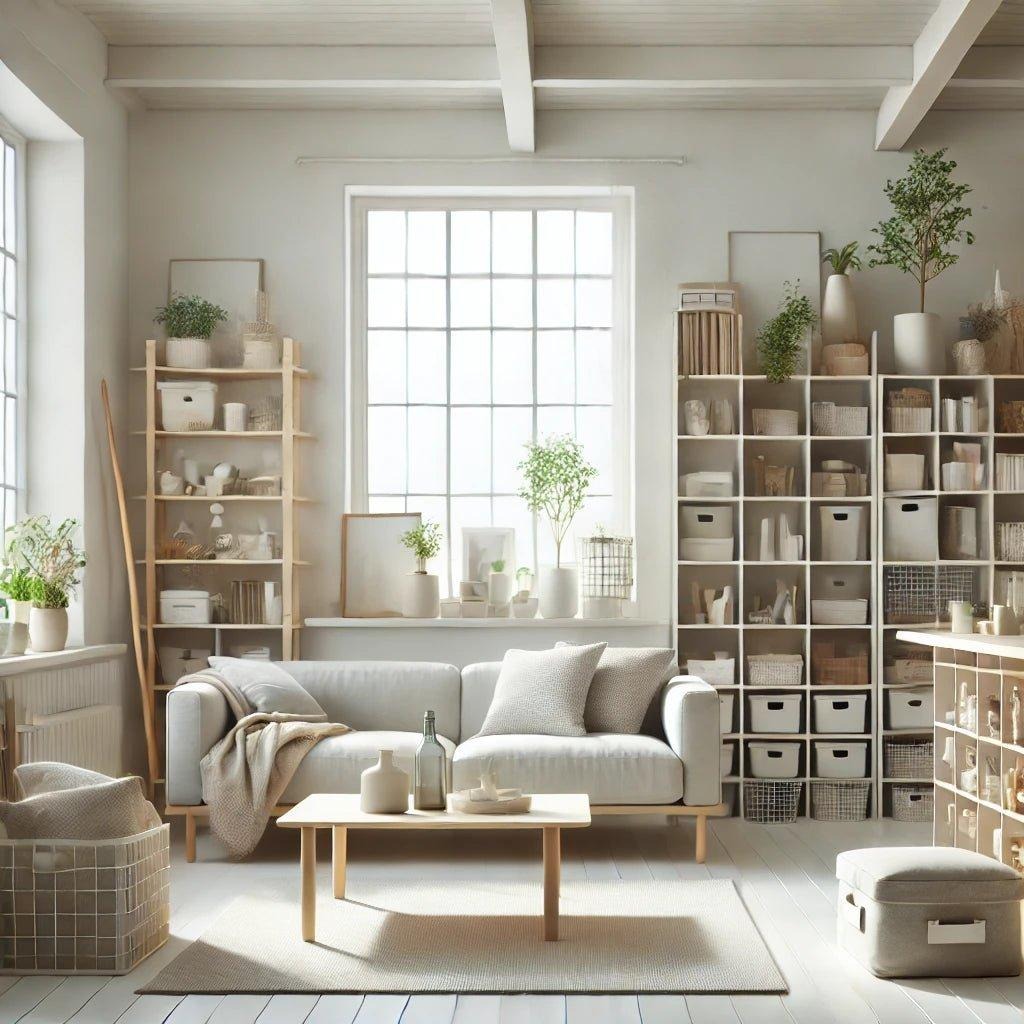
One of the easiest ways to organize your home is to focus on one room at a time. Trying to clean the entire house in one day can feel overwhelming. Start with a small area, such as a coffee table, kitchen counter, or bedroom drawer. Remove items you no longer need and separate everything into three groups: keep, donate, and discard. This simple method helps you make better decisions without creating more mess. Once one area is clean, move to the next. Small improvements can make a big difference in your home’s overall appearance.
2. Use Storage Baskets In The Living Room
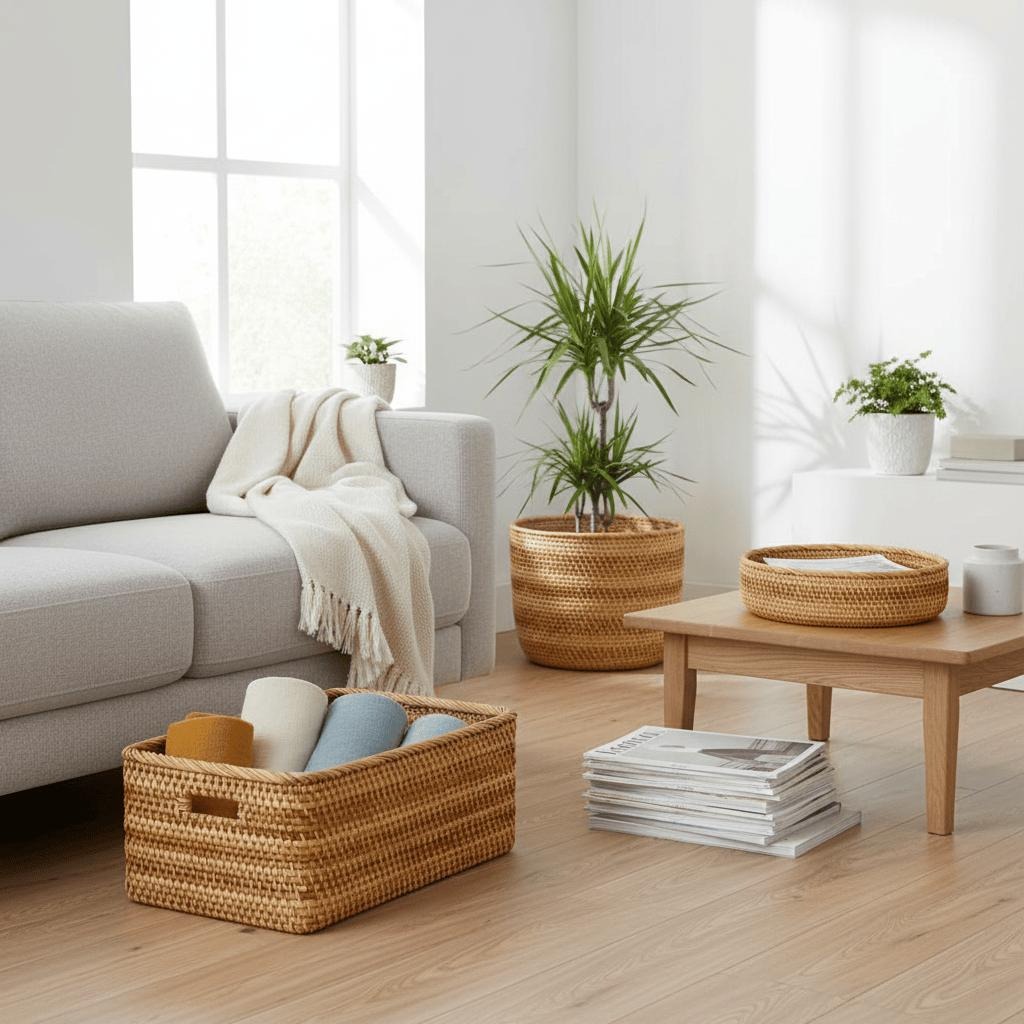
Storage baskets are a simple and attractive way to reduce clutter in the living room. Use them to store blankets, magazines, children’s toys, remote controls, or small accessories. Choose baskets that match your interior design, such as woven, fabric, or wooden styles. Place them beside the sofa, under a console table, or on an open shelf. Baskets keep everyday items together while making the room look more organized. For better results, give each basket a specific purpose so you can find things quickly. This home organization idea combines practical storage with beautiful living room decor.
3. Create A Dedicated Entryway Drop Zone
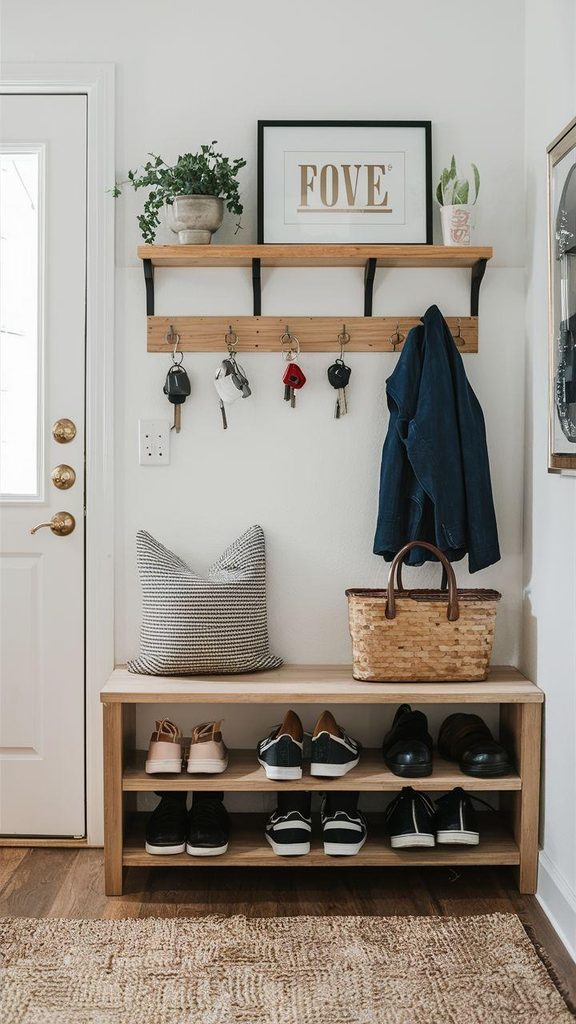
The entryway is often the first place where clutter begins. Shoes, keys, bags, and jackets can quickly create a messy appearance. Create a dedicated drop zone near your entrance to keep these items under control. Install wall hooks for bags and coats, add a small basket for keys, and use a shoe rack to organize footwear. If you have limited space, choose a narrow bench with built-in storage. A designated place for everyday essentials makes it easier to leave and return home. This simple change can prevent clutter from spreading into other rooms.
4. Organize Your Kitchen Countertops
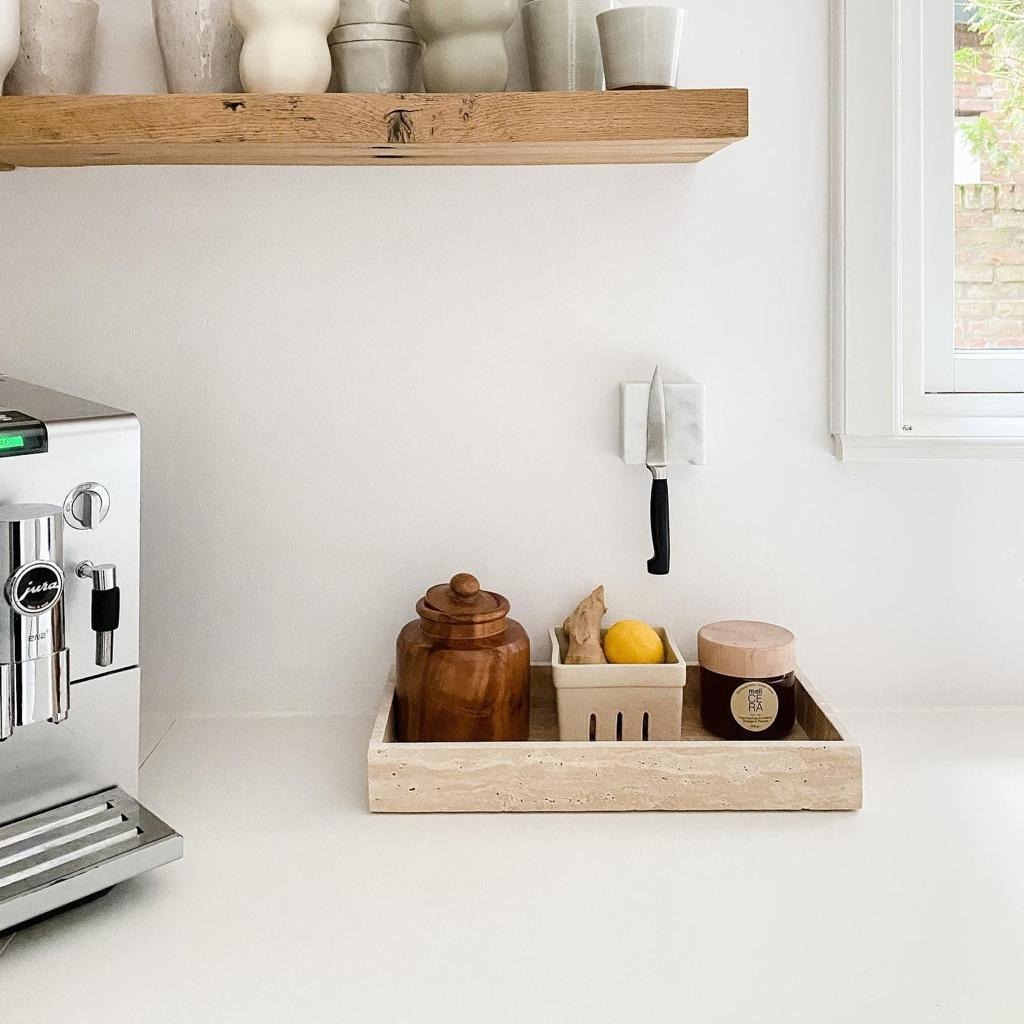
Kitchen countertops can become crowded with appliances, utensils, food containers, and cooking supplies. Keep your counters clean by storing items you don’t use every day inside cabinets or drawers. Leave only frequently used appliances, such as a coffee maker or toaster, on the counter. Use a decorative tray to group cooking oils or other essentials in one place. Remove expired products and unnecessary packaging regularly. A clear countertop makes meal preparation easier and helps your kitchen look more spacious. This is one of the most effective kitchen organization ideas for a clean and functional home.
5. Add Drawer Dividers For Small Items
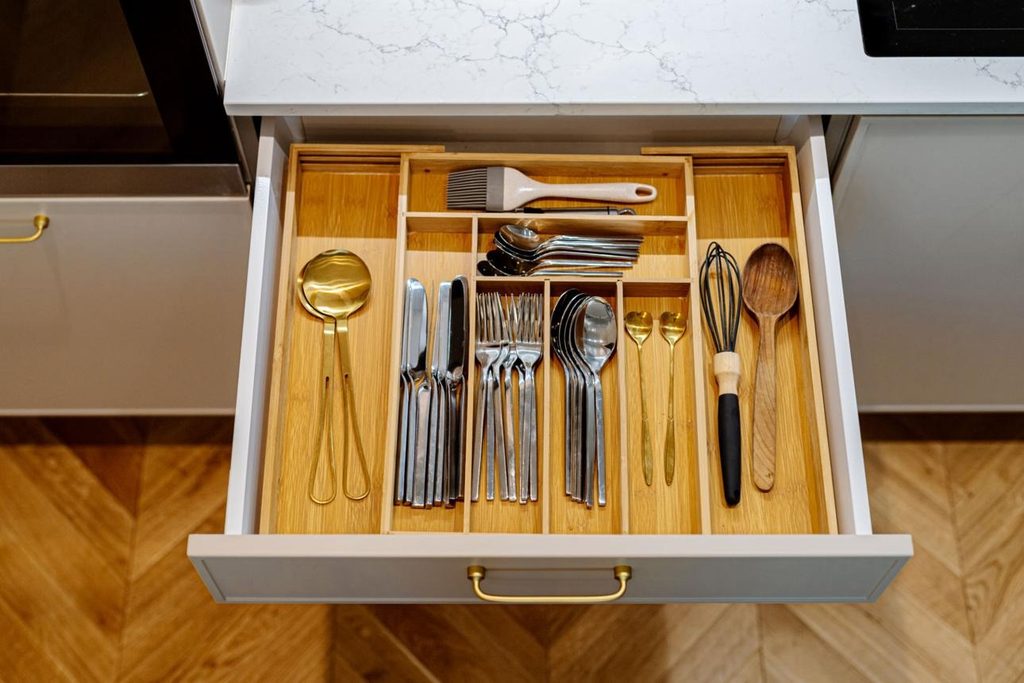
Small items often make drawers look untidy because they move around and become mixed together. Drawer dividers can help organize utensils, office supplies, accessories, and other everyday essentials. In the kitchen, use separate sections for spoons, forks, knives, and cooking tools. In the bedroom, dividers can keep socks, belts, and small accessories organized. Choose adjustable dividers that fit your drawer size. You don’t need to fill every section with items; leave enough space to take things out easily. A well-organized drawer saves time and makes everyday routines more convenient.
6. Use Vertical Wall Storage
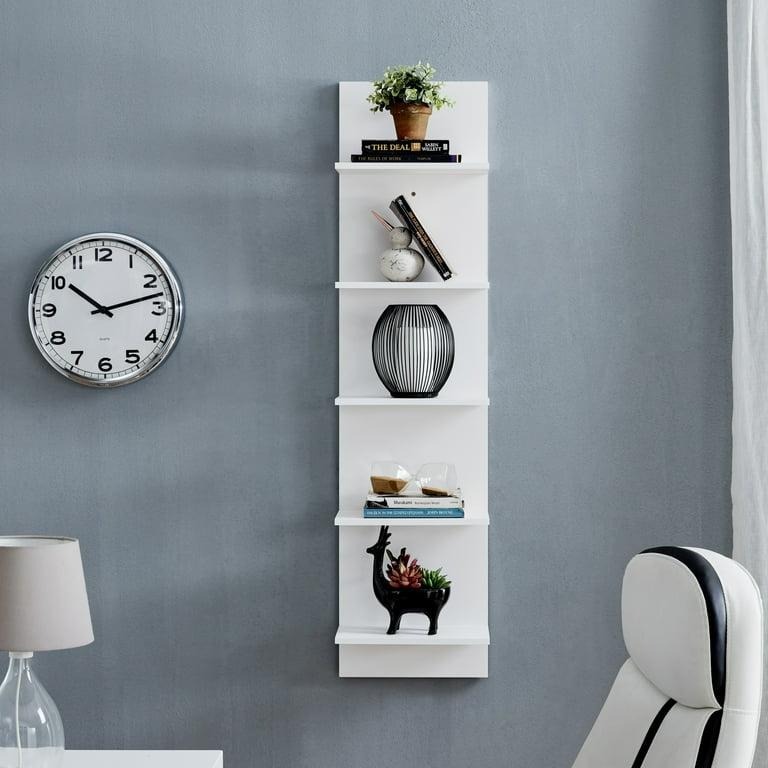
When floor space is limited, vertical storage can help you use your walls more effectively. Install floating shelves, wall-mounted organizers, or pegboards in suitable areas. These storage solutions work well in kitchens, home offices, bedrooms, and entryways. Use shelves for books, decorative objects, baskets, or frequently used supplies. Keep heavier items on suitable, securely installed supports and avoid overcrowding the shelves. Vertical storage frees up floor space while adding useful display areas. It is especially helpful in small apartments where every square foot matters.
7. Make Your Bed Every Morning
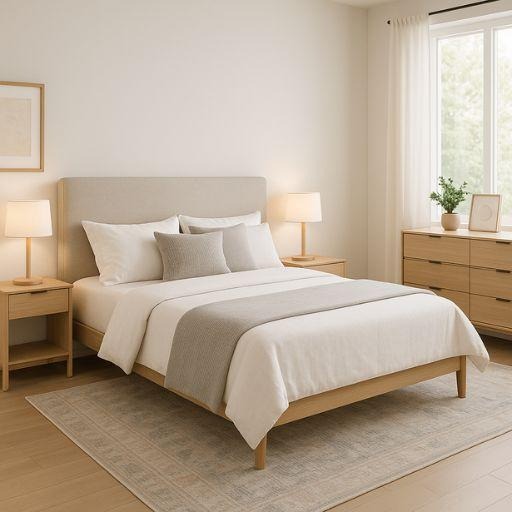
Making your bed each morning is a simple habit that can improve the appearance of your bedroom. A neatly arranged bed creates a clean focal point and encourages you to keep the rest of the room tidy. Straighten your sheets, arrange your pillows, and fold blankets neatly. You can also place a basket near the bed for extra pillows or throws. This task takes only a few minutes and helps establish a daily organization routine. While making your bed will not remove all clutter, it creates a more orderly environment and makes the bedroom feel more comfortable.
8. Organize Your Closet By Category
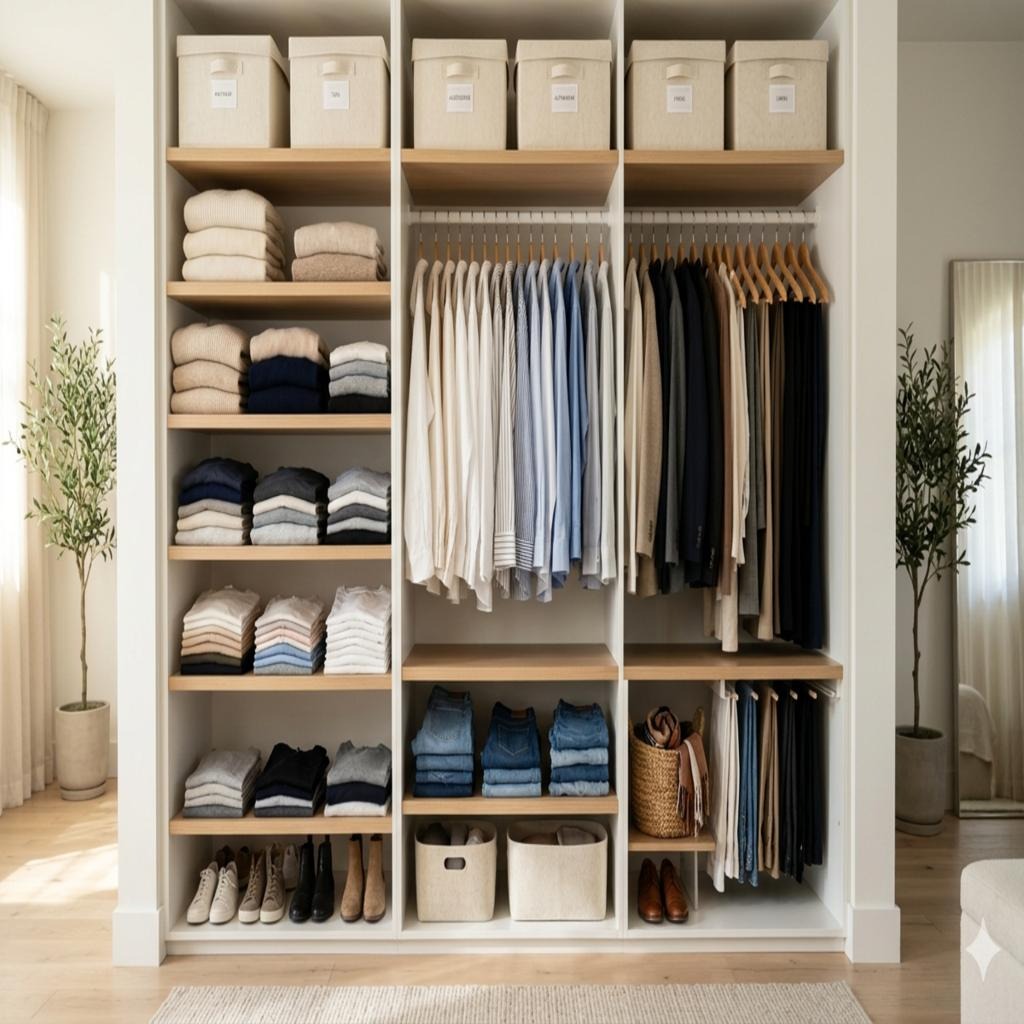
A messy closet can make choosing clothes stressful, especially when everything is mixed together. Organize your wardrobe by category, such as shirts, trousers, dresses, jackets, and seasonal clothing. You can also arrange clothes by color if that makes them easier to find. Remove clothing you no longer wear and donate items in good condition. Use matching hangers to create a consistent appearance and add storage boxes for accessories. Avoid packing your closet too tightly, because crowded spaces become difficult to maintain. A categorized wardrobe saves time and makes your bedroom organization routine easier.
9. Use Under-Bed Storage Boxes
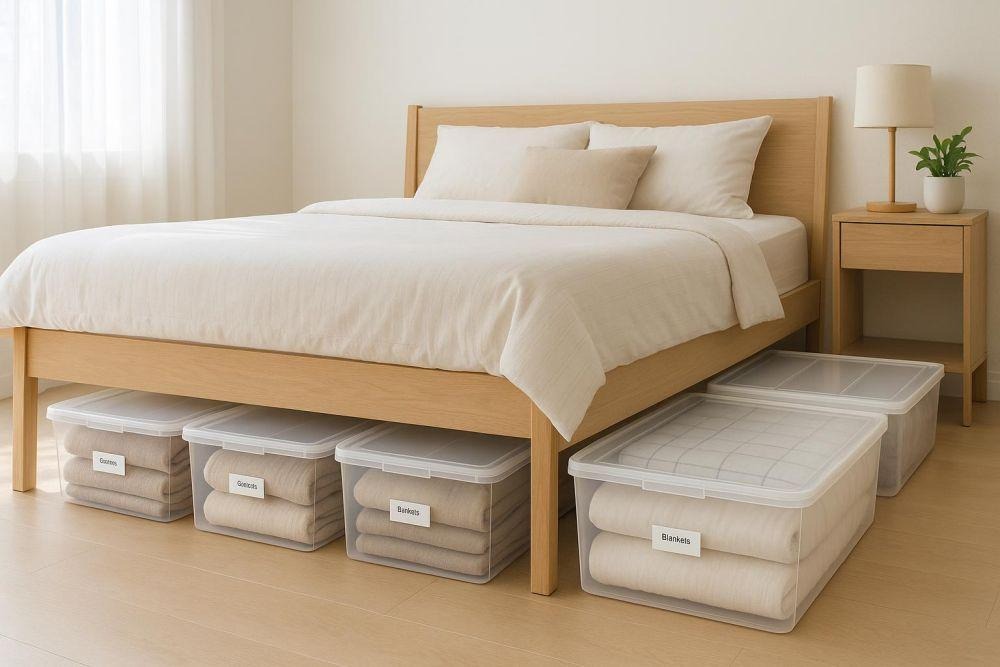
The space beneath your bed can provide valuable storage without taking up additional floor space. Use low-profile storage boxes or containers to store seasonal clothes, extra bedding, shoes, or luggage accessories. Choose containers with lids to protect items from dust and label each box so you can find things quickly. Before purchasing storage, measure the clearance under your bed to ensure the containers fit properly. Keep frequently used items within easy reach and store less-used belongings farther inside. Under-bed storage is particularly useful for small bedrooms that need additional organization solutions.
10. Create A Simple Bathroom Counter System
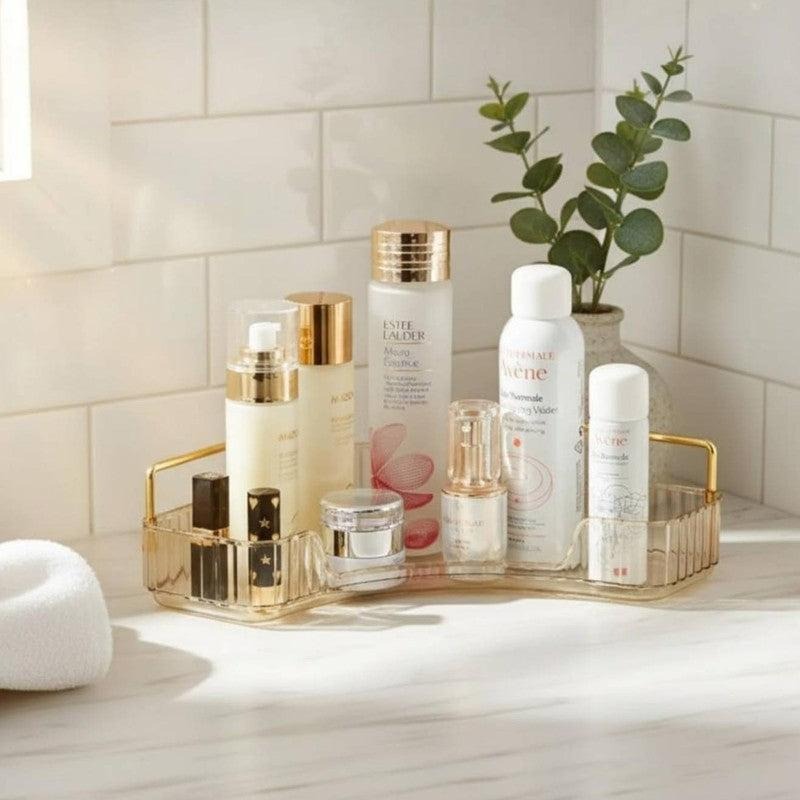
Bathroom countertops often become cluttered with skincare products, toothbrushes, cosmetics, and hair accessories. Create a simple system by placing frequently used items in a small tray or organizer. Use containers to group skincare products, makeup, and grooming supplies. Store items you rarely use inside cabinets or drawers. Regularly check expiration dates and remove products you no longer need. Keep the countertop as clear as possible to make cleaning easier. A simple bathroom organization system helps create a calm and functional space while keeping your everyday essentials accessible.
11. Install Hooks Behind Doors
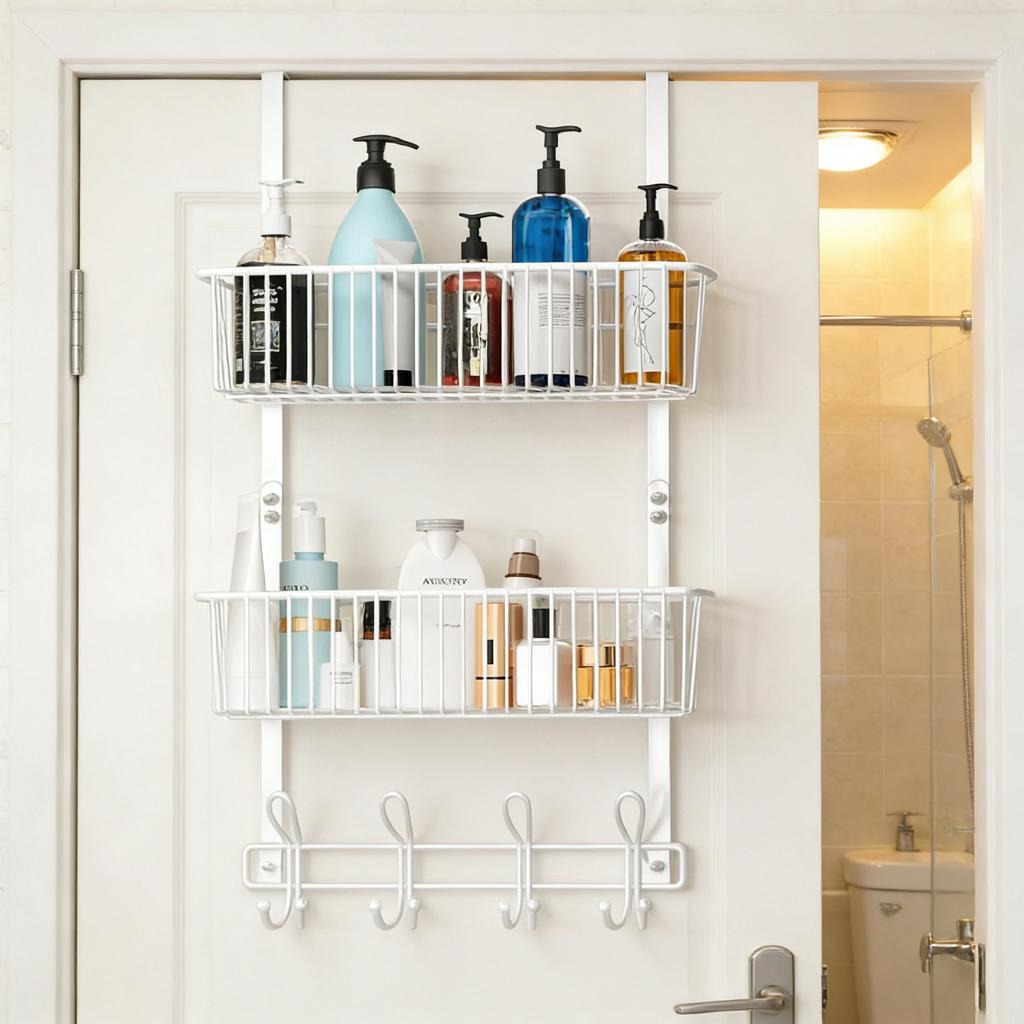
The back of a door is an often-overlooked storage area. Over-the-door hooks and organizers can help you store towels, robes, bags, cleaning supplies, or accessories. In the bathroom, use suitable hooks for towels and personal items. In the bedroom, a door organizer can hold scarves, belts, or small bags. Before installing a hanging system, check the door’s clearance and the organizer’s weight capacity. Choose a design that does not prevent the door from closing properly. This space-saving idea makes use of an otherwise unused area without requiring major renovations.
12. Use Clear Containers In The Pantry
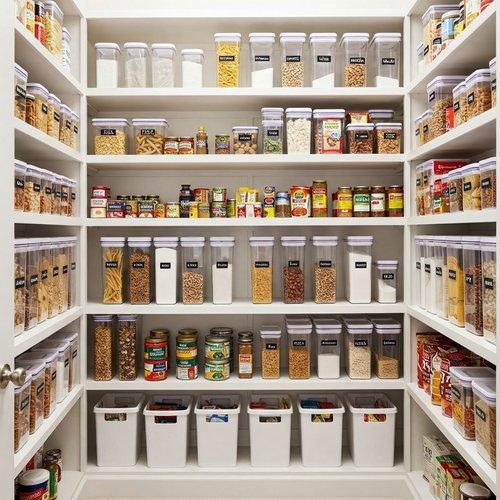
Clear storage containers can make your pantry easier to manage and help you see what you already have. Transfer suitable dry foods, such as rice, pasta, cereal, and flour, into airtight containers designed for food storage. Add labels to identify each ingredient and keep similar products together. Check food packaging and storage instructions before transferring anything. Arrange frequently used items on accessible shelves and place less-used supplies higher up when safe. A well-organized pantry can reduce duplicate purchases and make meal preparation more efficient. It also gives your kitchen a clean and consistent appearance.
13. Create A Paperwork Organization Station
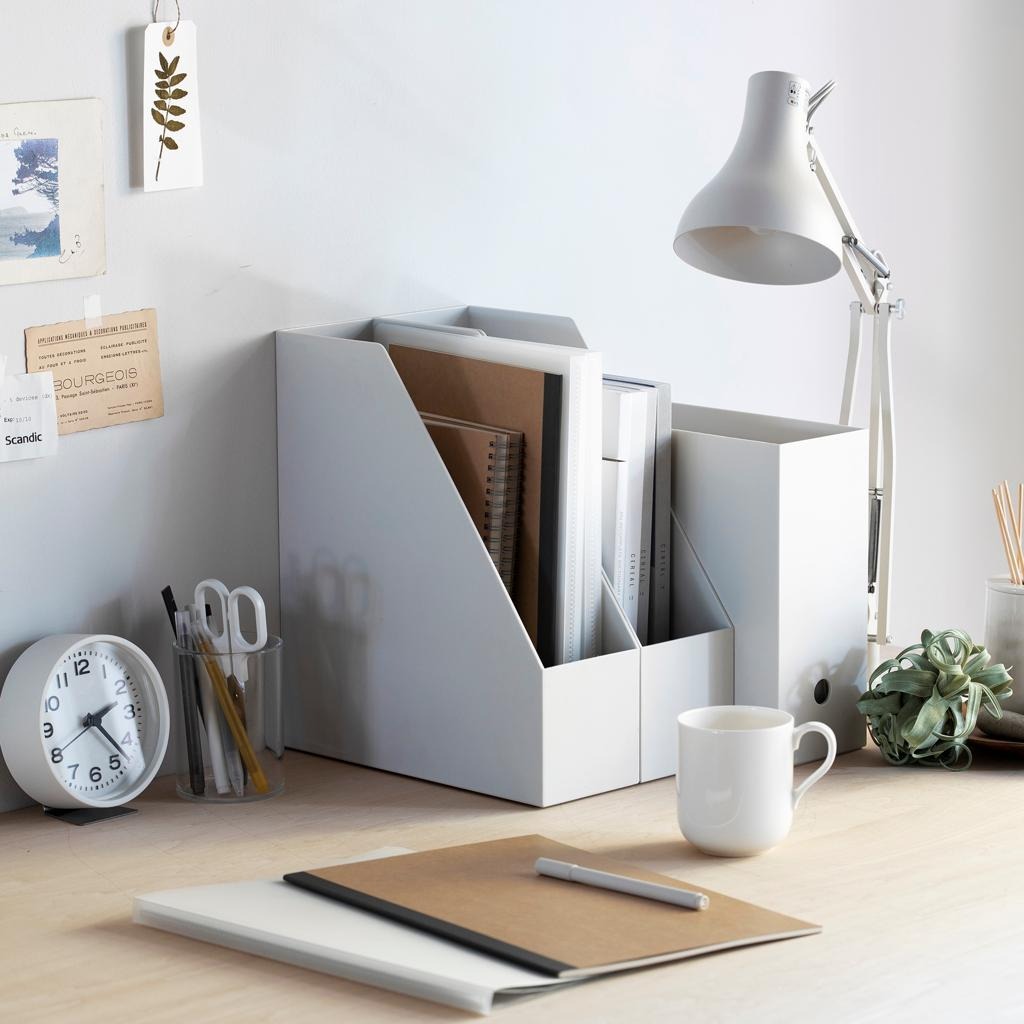
Bills, receipts, documents, and letters can quickly create clutter on desks and countertops. Set up a small paperwork station using labeled folders, file boxes, or a document organizer. Create categories such as bills, personal documents, school papers, and items requiring action. Review paperwork regularly and safely dispose of documents you no longer need. Store important records securely and avoid leaving sensitive information in open areas. A designated paperwork station prevents documents from spreading throughout your home. It also makes it easier to locate important papers when you need them.
14. Add A Laundry Sorting System
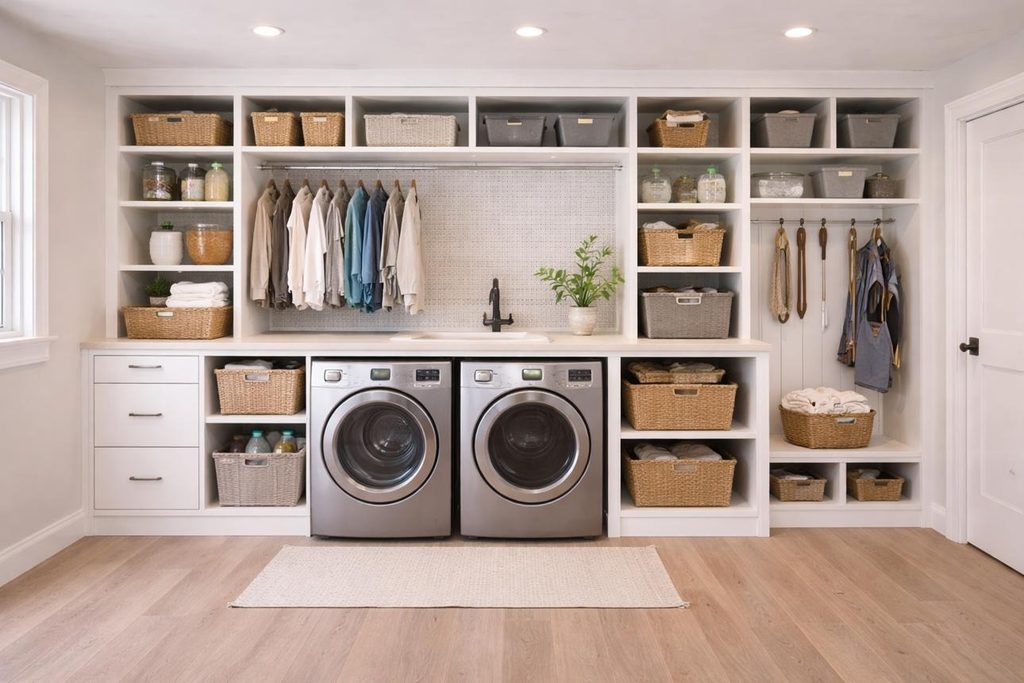
Laundry can become a source of clutter when dirty clothes are left on floors, chairs, or beds. Use separate laundry baskets or a divided hamper to sort clothes by color, fabric, or washing needs. Place the hamper in a convenient location, such as the bedroom, bathroom, or laundry area. Encourage everyone in the household to put dirty clothes directly into the basket. Keep clean laundry separate from dirty clothing and return folded items to their proper places. A simple laundry organization system makes washing clothes easier and helps maintain a cleaner home.
15. Organize Cleaning Supplies In One Place
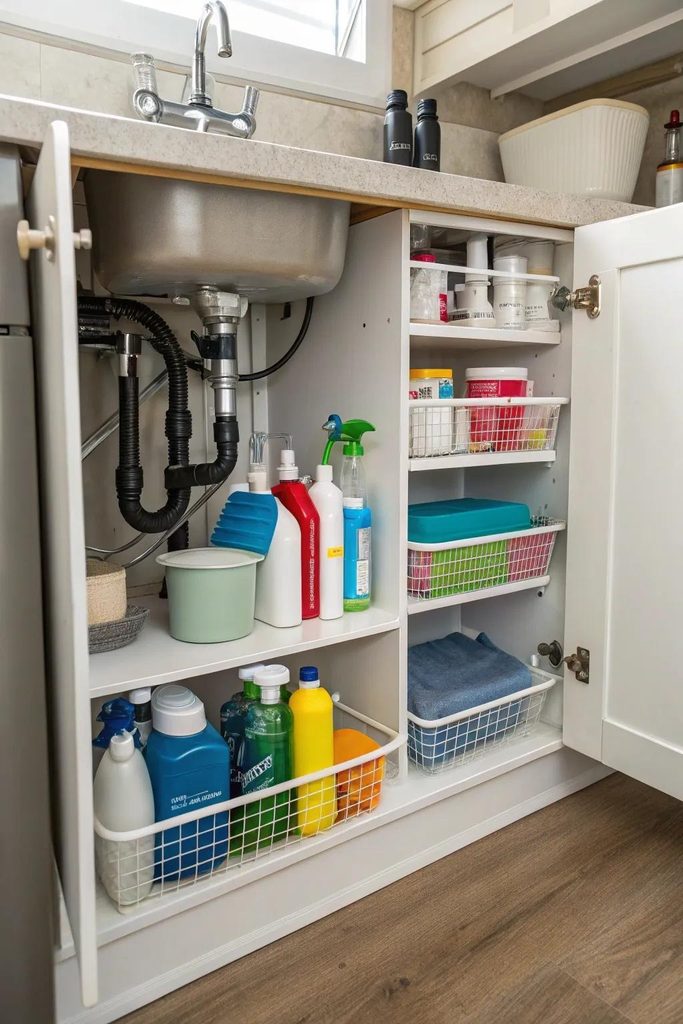
Cleaning supplies can take up valuable space when they are stored in different rooms without a clear system. Create a dedicated storage area under the kitchen sink, in a utility cabinet, or on a suitable shelving unit. Use labeled bins to separate surface cleaners, brushes, cloths, and other supplies. Keep products in their original containers whenever possible and follow their safety instructions. Never mix cleaning chemicals, especially bleach with other cleaning products. Store supplies away from children and pets. A designated cleaning station helps you find what you need and makes regular housekeeping more manageable.
16. Use A Nightstand Organizer
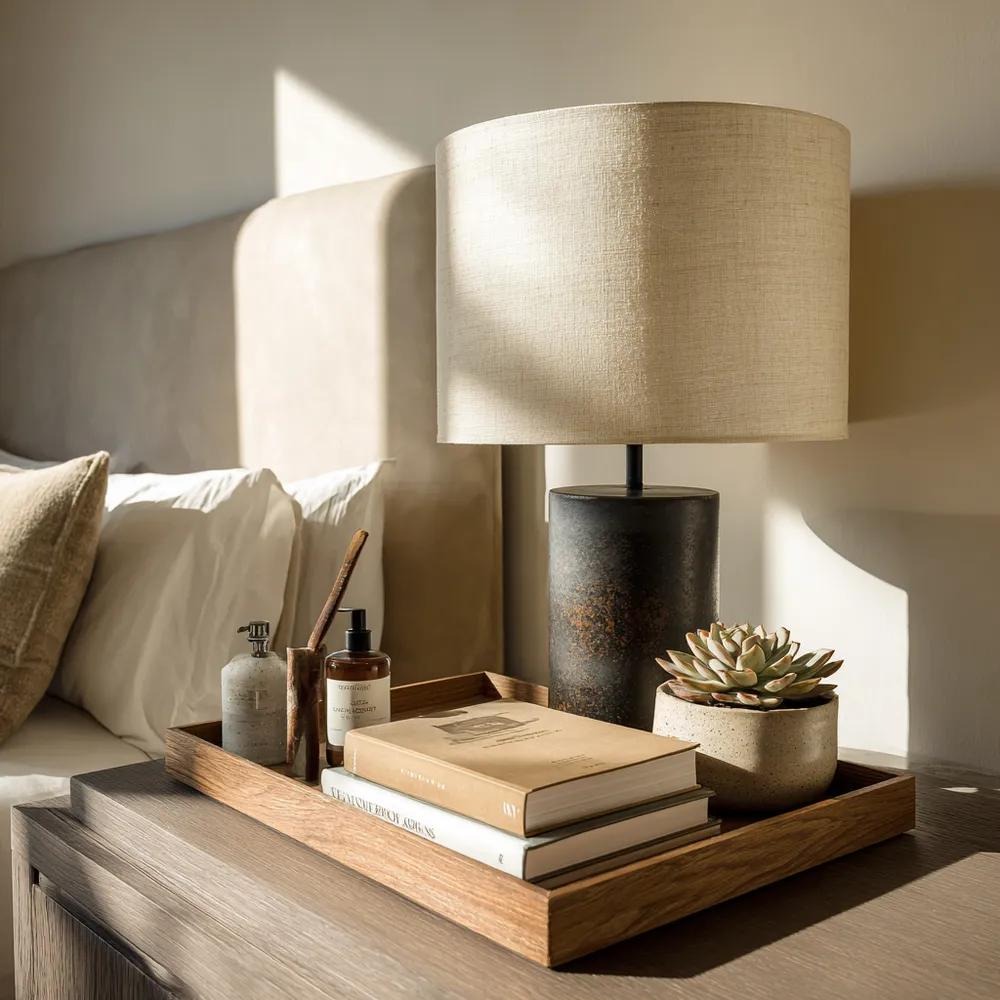
Nightstands often collect books, chargers, glasses, skincare products, and other small items. Keep your bedside table organized by using a small tray or drawer organizer. Store your phone charger in a fixed location and keep only the essentials on the surface. Place books in a neat stack or use a small shelf if available. Remove empty cups, receipts, and unused items each morning. A tidy nightstand creates a more relaxing bedroom environment and reduces visual clutter. This easy organization idea works well in both small bedrooms and spacious master bedrooms.
17. Create A Toy Storage Area
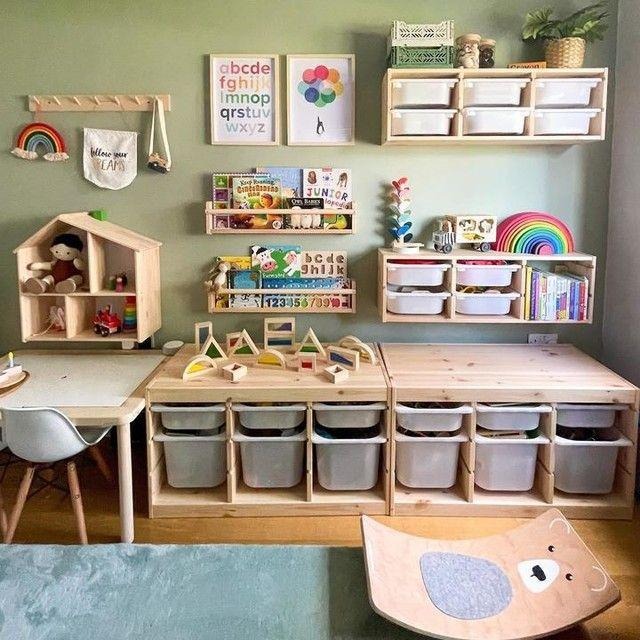
Children’s toys can spread across the floor and make rooms difficult to maintain. Create a designated toy storage area using labeled bins, open shelves, or baskets that are easy for children to access. Group similar toys together, such as building blocks, dolls, puzzles, and art supplies. Choose age-appropriate storage solutions and avoid placing heavy objects where they could fall. Encourage children to return toys after playing through a simple cleanup routine. A clear storage system helps reduce clutter while teaching children basic organizational habits. It also makes playtime more enjoyable and efficient.
18. Use A Rolling Storage Cart
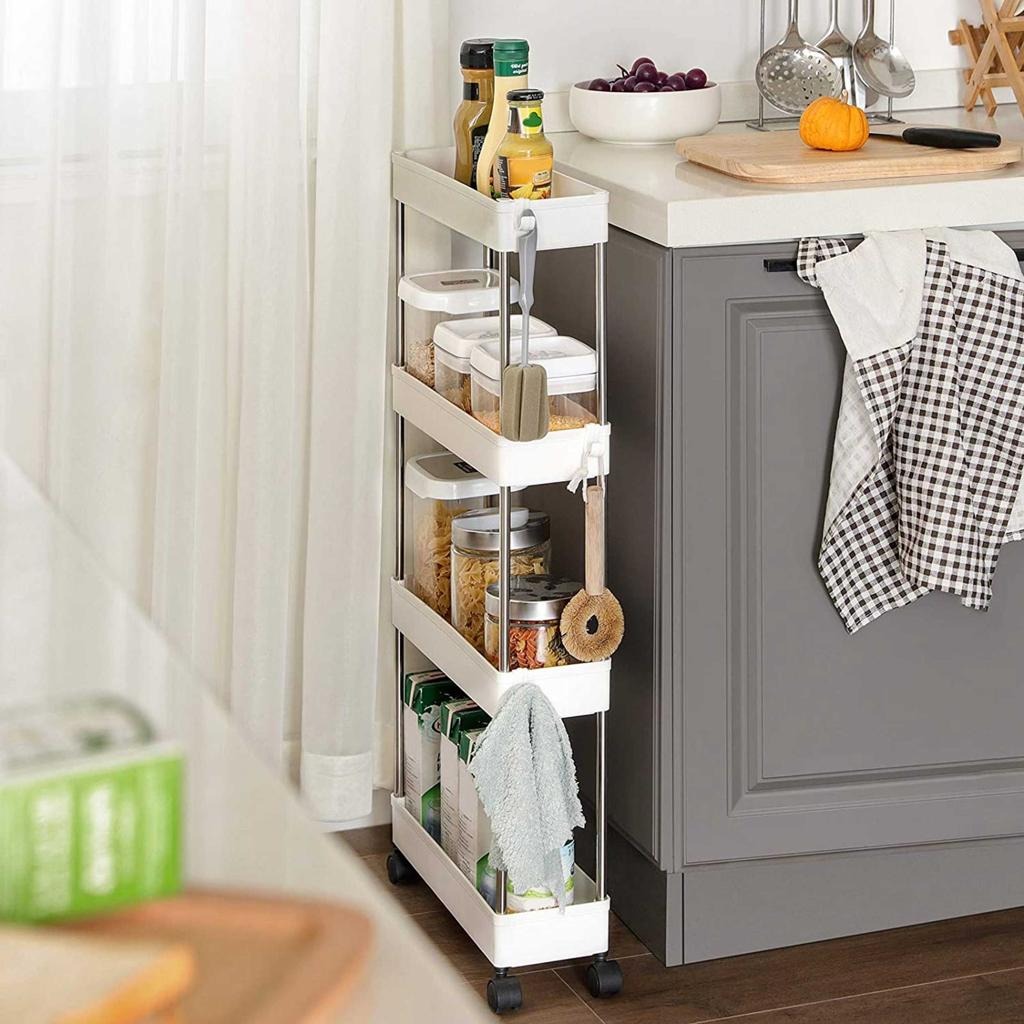
A rolling storage cart is a flexible solution for rooms with limited storage. Its narrow design can fit between cabinets, beside a refrigerator, or in a small bathroom corner, depending on the model. Use it to organize beauty products, craft supplies, kitchen ingredients, or office essentials. Assign each level a specific purpose so items stay easy to find. Choose a cart that suits the space and can support the weight of your belongings. Because it can be moved when needed, a rolling cart provides additional storage without permanently changing your room layout.
19. Keep A Donation Box At Home
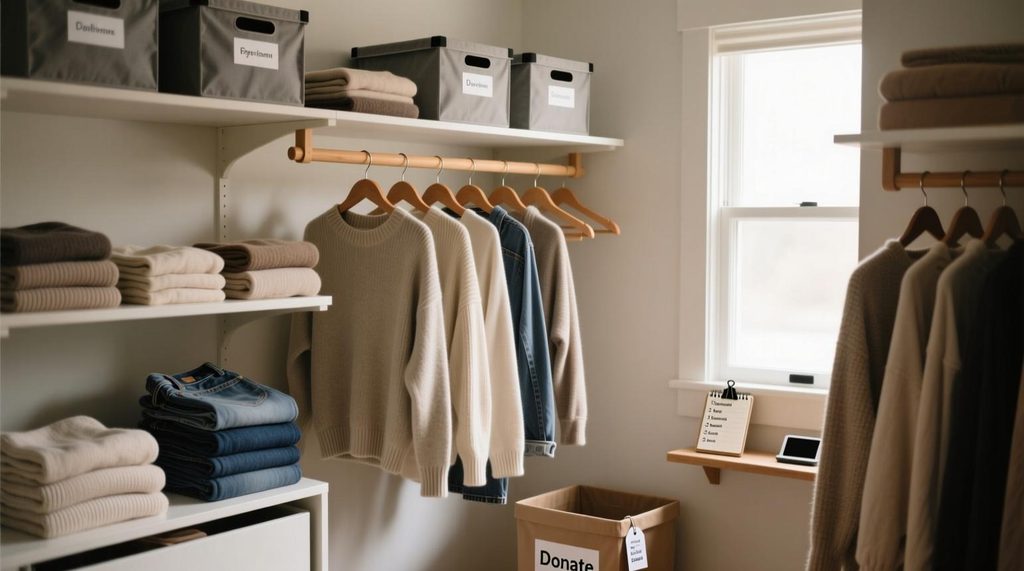
Decluttering becomes easier when you have a regular place for items you no longer need. Keep a small donation box in your closet, laundry area, or another convenient location. Whenever you find unused clothing, books, or household items in good condition, place them inside. Review the box periodically and arrange donations through a suitable organization or community collection service. Avoid keeping items indefinitely just because you might use them someday. A donation box supports ongoing decluttering and prevents unnecessary belongings from building up again. It is a simple habit that can make home organization more sustainable.
20. Arrange Books On Open Shelves
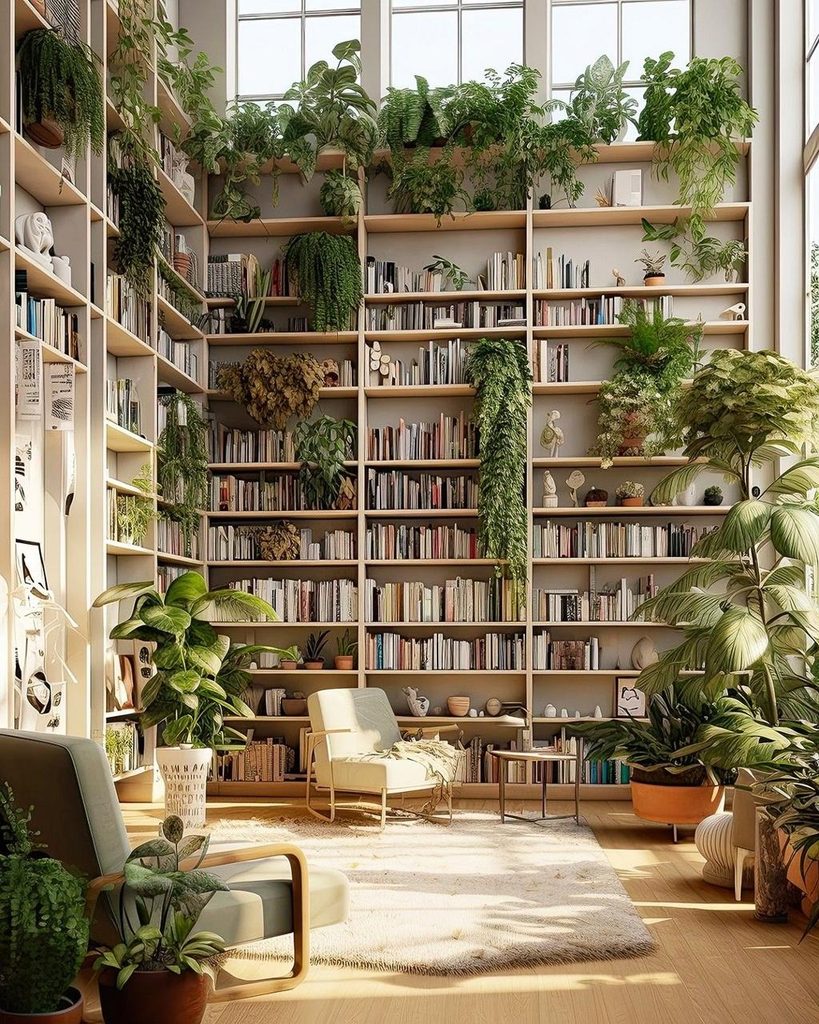
Bookshelves can become cluttered when books and decorative items are placed without a clear arrangement. Organize books by category, size, or reading priority. Leave some open space between groups to create a balanced appearance. You can add a few decorative objects, such as small plants or framed artwork, without overcrowding the shelves. Keep frequently used books at an accessible height and secure tall furniture appropriately. Avoid filling every shelf completely, because empty space can make the area feel more open. A well-arranged bookshelf combines practical storage with attractive home decor.
21. Use A Cable Management System
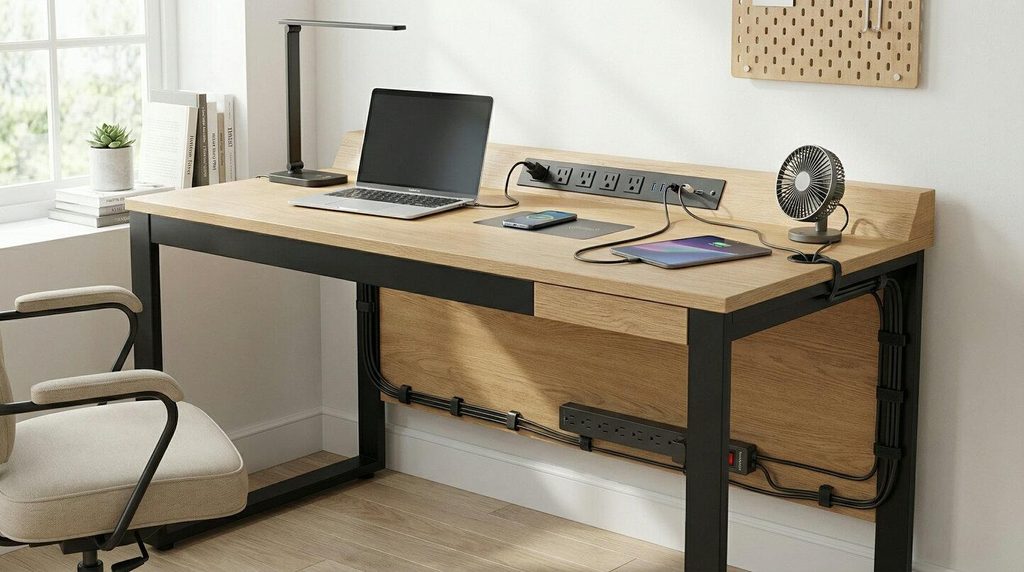
Loose charging cables and electronic accessories can make your workspace look messy. Use cable clips, labeled pouches, or a cable box to keep wires organized. Separate cables by purpose, such as phone charging, computer accessories, and entertainment devices. Label chargers when you have several similar ones. Avoid overloading electrical outlets or hiding cables in ways that create safety risks. Store spare wires in a small container rather than leaving them on the desk. A simple cable management system helps keep your home office, bedroom, and entertainment area cleaner while making devices easier to use.
22. Create A Kitchen Coffee Station
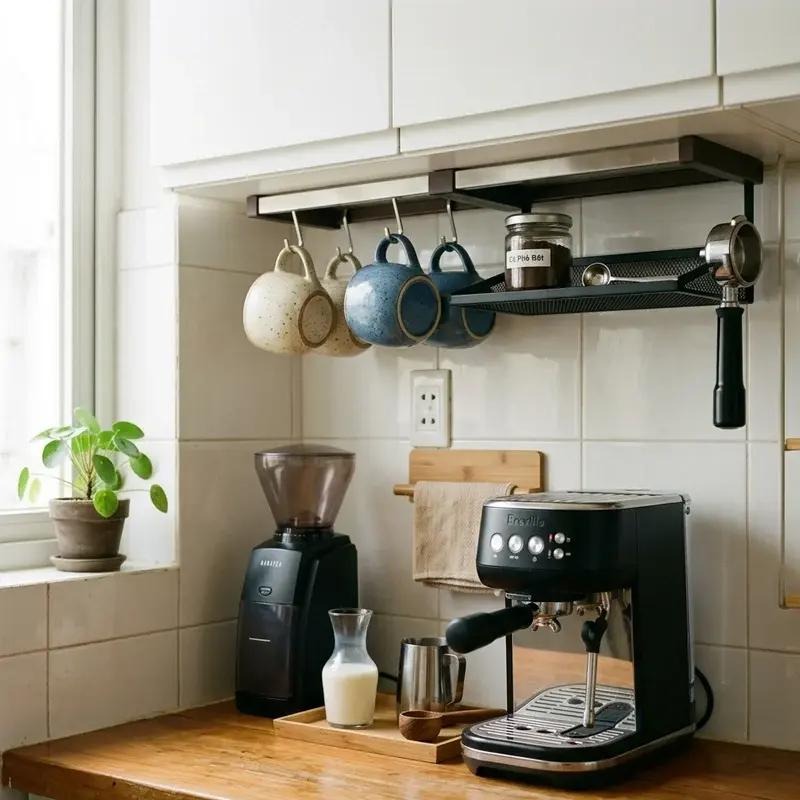
A dedicated coffee station can make your kitchen feel more organized and functional. Choose a small section of the counter or a suitable shelf for your coffee maker, mugs, coffee beans, and essential accessories. Use a tray to keep everything together and add a small container for spoons or filters. Store extra supplies in a cabinet or labeled container to prevent the area from becoming crowded. Keep the station clean by wiping the counter and returning items after use. A compact coffee corner can provide convenient storage while adding a cozy touch to your kitchen.
23. Organize Your Refrigerator By Zones
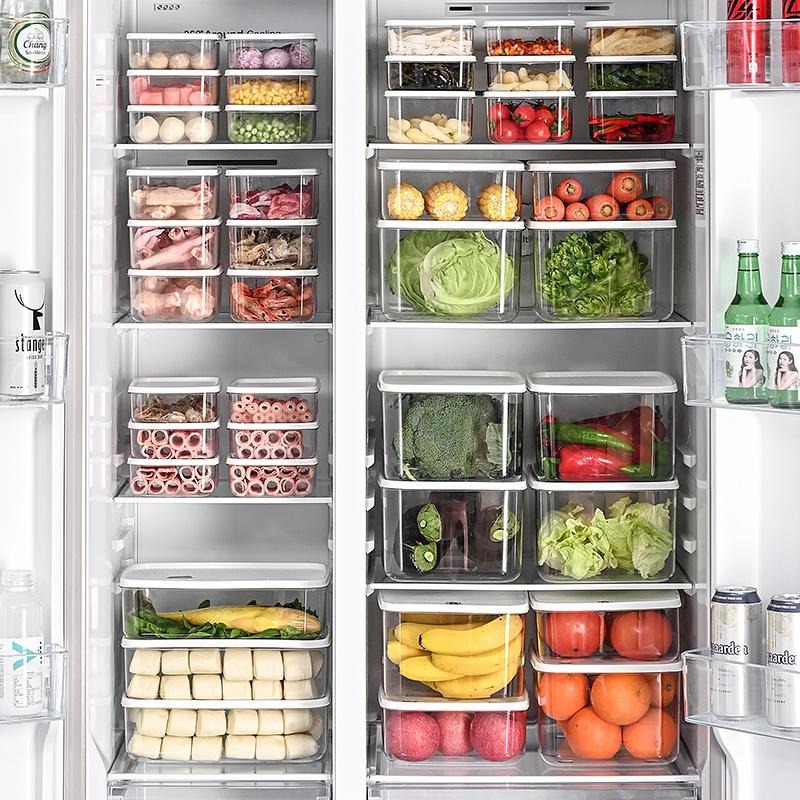
An organized refrigerator makes it easier to find food and monitor what you have. Create simple zones for vegetables, dairy products, drinks, and ready-to-eat foods, while following the manufacturer’s storage guidance and food safety recommendations. Use suitable containers or bins to group similar items. Label leftovers with dates and check older foods regularly. Avoid overcrowding shelves because cold air needs to circulate properly. Clean spills promptly and remove spoiled food. A practical refrigerator organization system helps reduce wasted ingredients and makes everyday meal preparation more convenient.
24. Add A Small Mail And Key Organizer
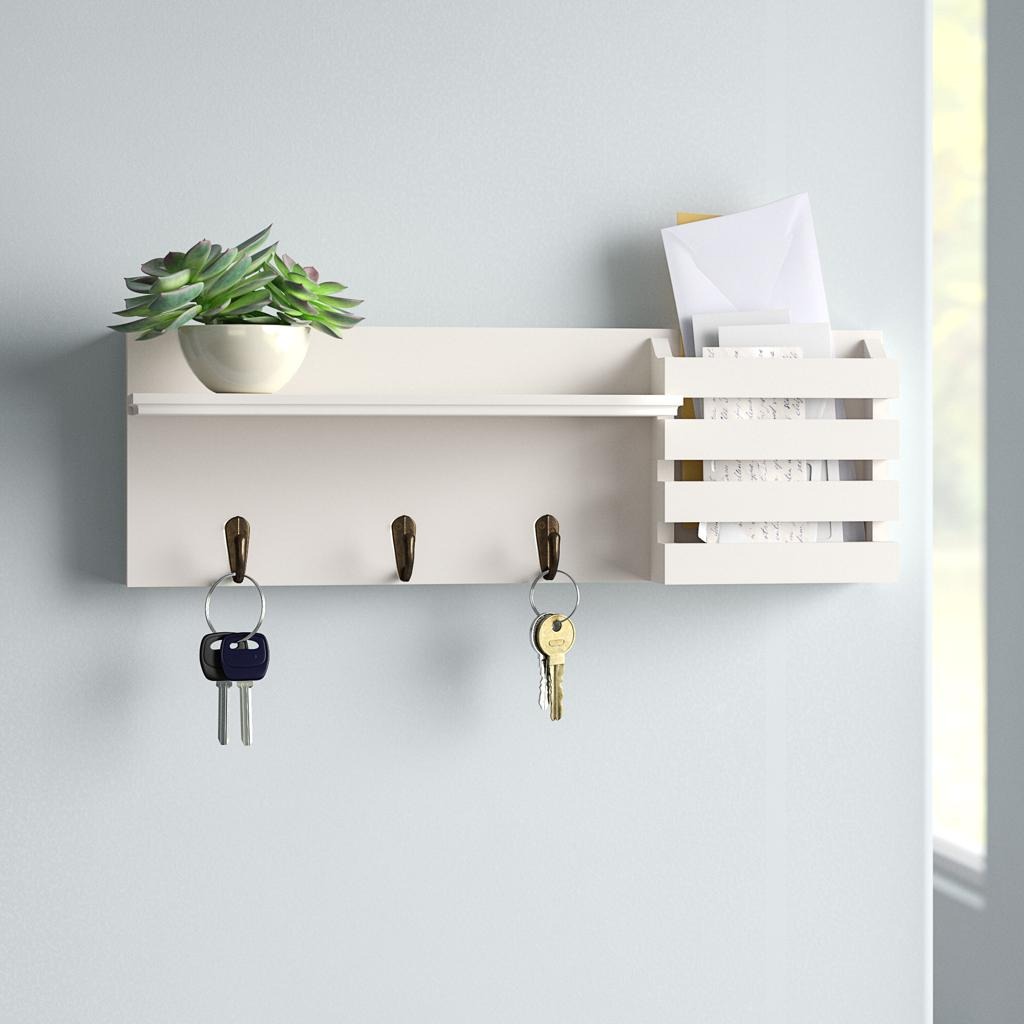
Mail and keys often end up on random surfaces, such as dining tables, kitchen counters, or cabinets. Create a small organization station near your entrance using a wall-mounted mail holder and key hooks. Give each household member a designated place for keys or other daily essentials. Sort incoming mail regularly and recycle unwanted paper when appropriate. Keep important documents in a secure location rather than leaving them in an open organizer. This simple system prevents small items from spreading around the house and makes it easier to find your essentials when leaving home.
25. Follow A 10-Minute Daily Reset Routine

One of the best ways to maintain an organized home is to create a short daily reset routine. Spend around 10 minutes returning items to their proper places, clearing countertops, folding blankets, and putting away everyday belongings. Focus on the areas that become messy most often. You can divide the routine among family members to make it easier to manage. Avoid trying to complete every cleaning task during this short period. The goal is to prevent clutter from building up. A consistent daily reset can help your home stay tidy without requiring long cleaning sessions.
How To Keep Your Home Organized Long-Term
Creating an organized home is only the first step. Maintaining it requires simple habits that fit your daily lifestyle. Give every frequently used item a designated place and return it there after use. Avoid buying storage containers before deciding what you actually need to keep. Too many organizers can sometimes create additional clutter.
Set aside a few minutes each week to review problem areas, remove unnecessary items, and adjust your storage system. If a particular organization method is difficult to maintain, change it to something more practical. The best home organization system is one that works with your routines rather than making everyday life harder.
Common Home Organization Mistakes To Avoid
Even well-intentioned organization projects can create problems when storage is not planned carefully. Avoid these common mistakes:
- Keeping too many unnecessary items: Storage cannot solve clutter if you keep accumulating belongings you don’t need.
- Buying organizers too early: Declutter and measure your space before purchasing storage products.
- Ignoring frequently used items: Keep everyday essentials within easy reach to make your system practical.
- Overcrowding storage spaces: Leave room for items to be removed and returned without difficulty.
- Creating complicated routines: Choose simple habits that you can maintain consistently.
- Forgetting safety: Secure furniture, store cleaning products appropriately, and follow product weight limits.
A practical organization system should make your home easier to use, not create more work.
Frequently Asked Questions About Home Organization
1. What Is The Easiest Way To Start Organizing Your Home?
The easiest way to start is by choosing one small area, such as a drawer, countertop, or shelf. Remove unnecessary items, group similar belongings, and give everything you keep a designated place. Completing small tasks can help you build confidence and maintain momentum.
2. How Can I Organize A Small Home With Limited Space?
Use vertical shelves, under-bed storage, multi-purpose furniture, and wall-mounted hooks. Declutter regularly and prioritize storage solutions that use existing space efficiently. Avoid overcrowding rooms with unnecessary furniture or containers.
3. How Do I Keep My Home Organized Every Day?
Create a short daily reset routine. Return items to their designated locations, clear frequently used surfaces, and address small messes before they grow. Consistency is more important than spending hours cleaning every day.
4. What Should I Declutter First?
Start with items that are easy to decide about, such as expired products, broken objects, unused packaging, and things you no longer need. You can gradually move to more difficult categories, such as clothing and sentimental belongings.
5. Are Storage Baskets Useful For Home Organization?
Yes. Storage baskets can group similar items and reduce visible clutter in living rooms, bedrooms, bathrooms, and other areas. Choose suitable sizes and label them when necessary so the contents remain easy to find.
Final Thoughts
A clean and organized home doesn’t require expensive renovations or complicated storage systems. With the right home organization ideas, you can reduce clutter, improve functionality, and create a more comfortable environment in every room. From using storage baskets and drawer dividers to establishing a daily reset routine, small changes can produce lasting benefits.
Start with one room, choose a few practical ideas, and build habits that suit your lifestyle. Whether you live in a small apartment or a large family home, organized spaces begin with simple decisions and consistent routines.